Winter Travels 

Castle in Southern Germany
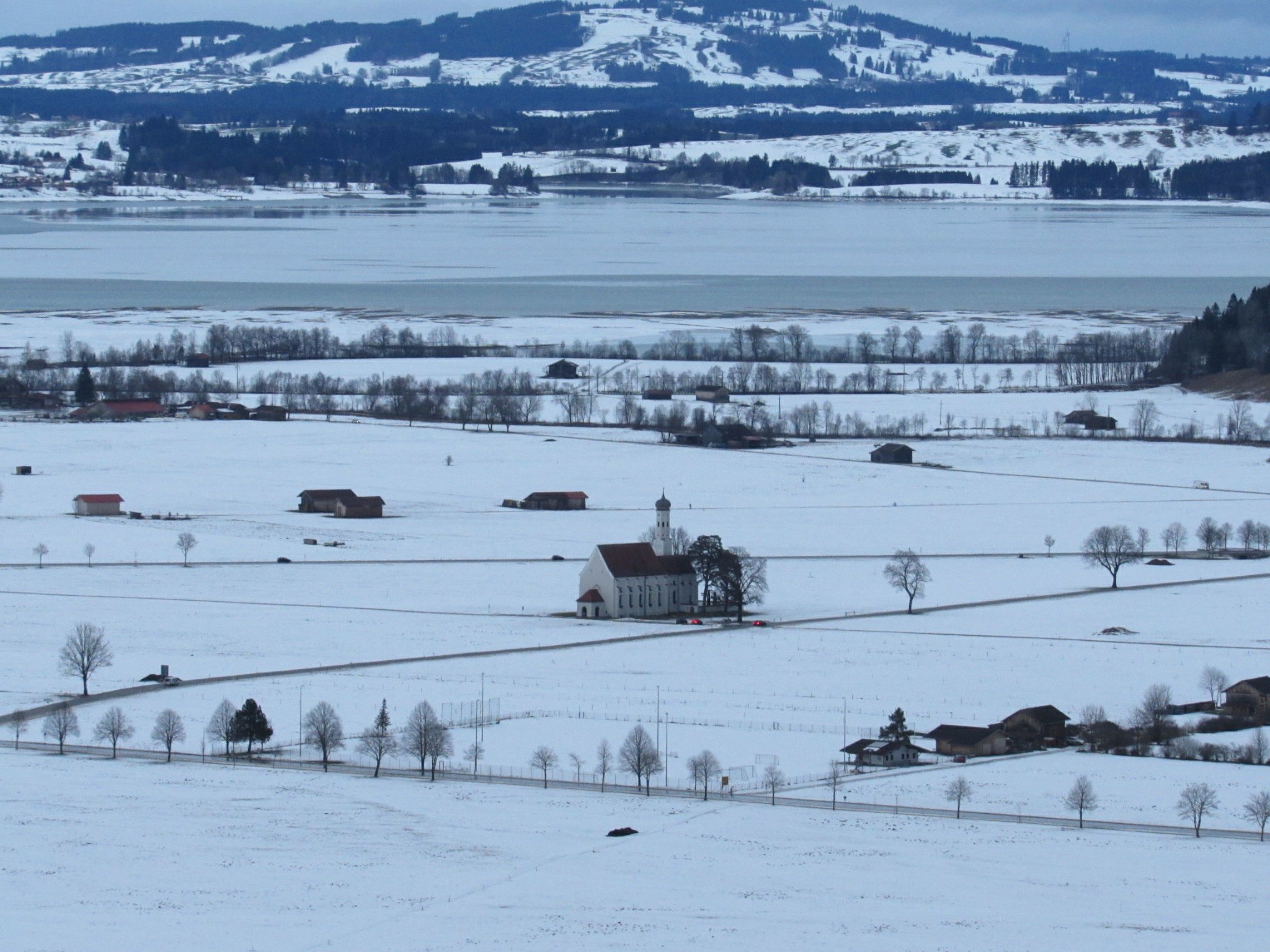
I was struck by this village church, its location in the middle of a field
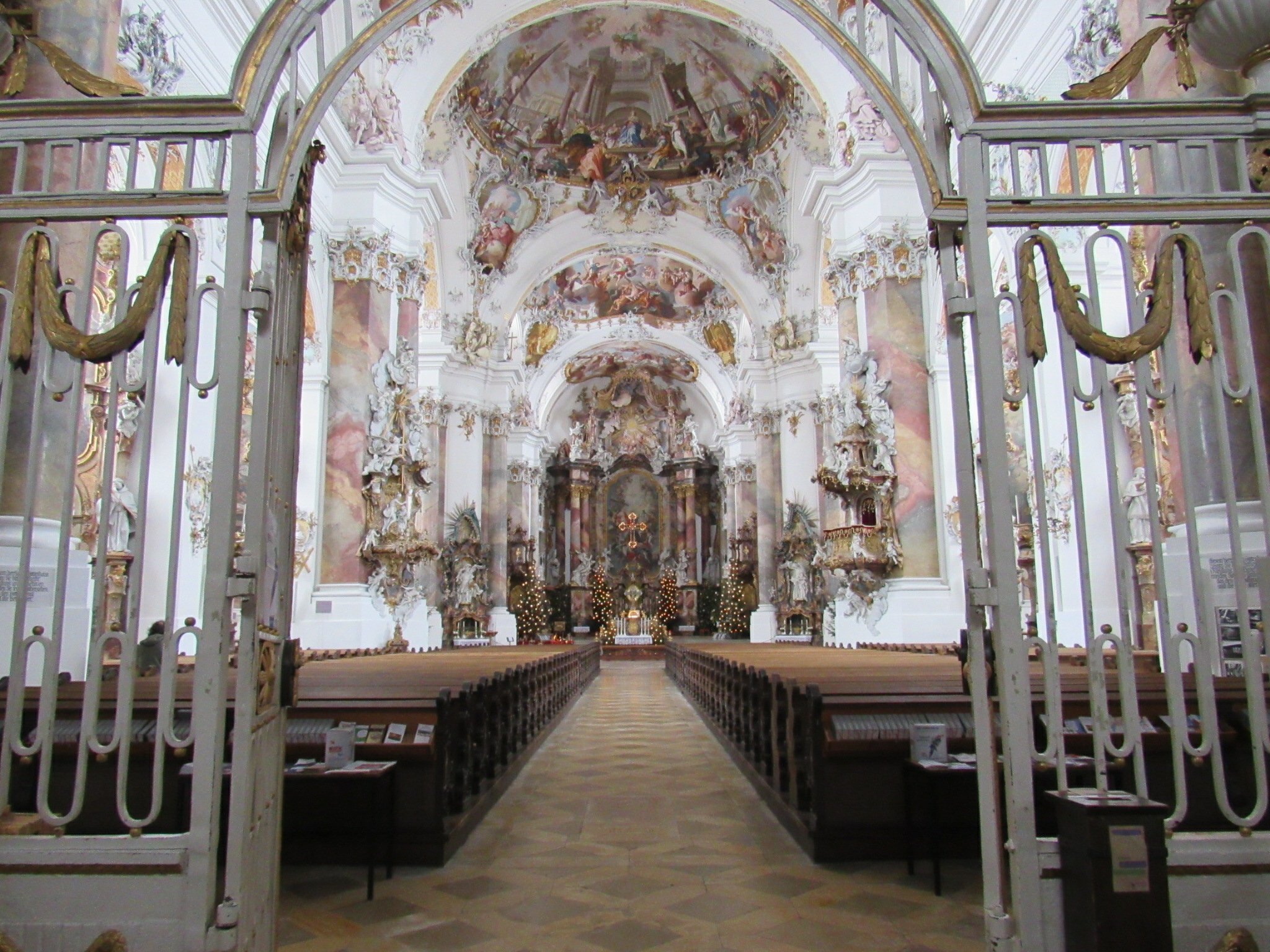
Baroque style church- its elaborate detail is typical for its time!
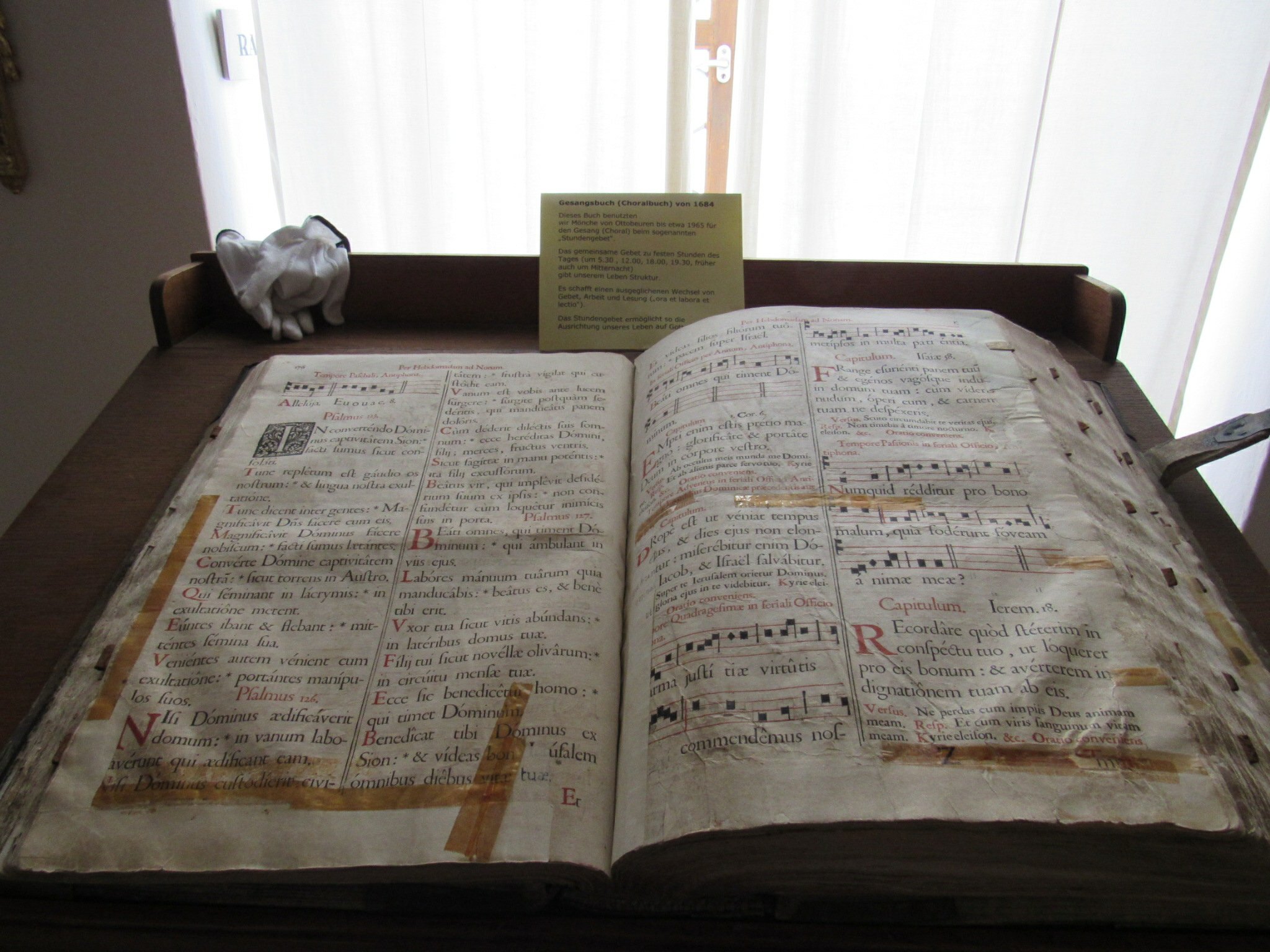
Monks in Ottobeuren used this book to chant the daily office

I saw lots of woodcarvings in Germany, and the passion in this “Last Supper” caught my attention
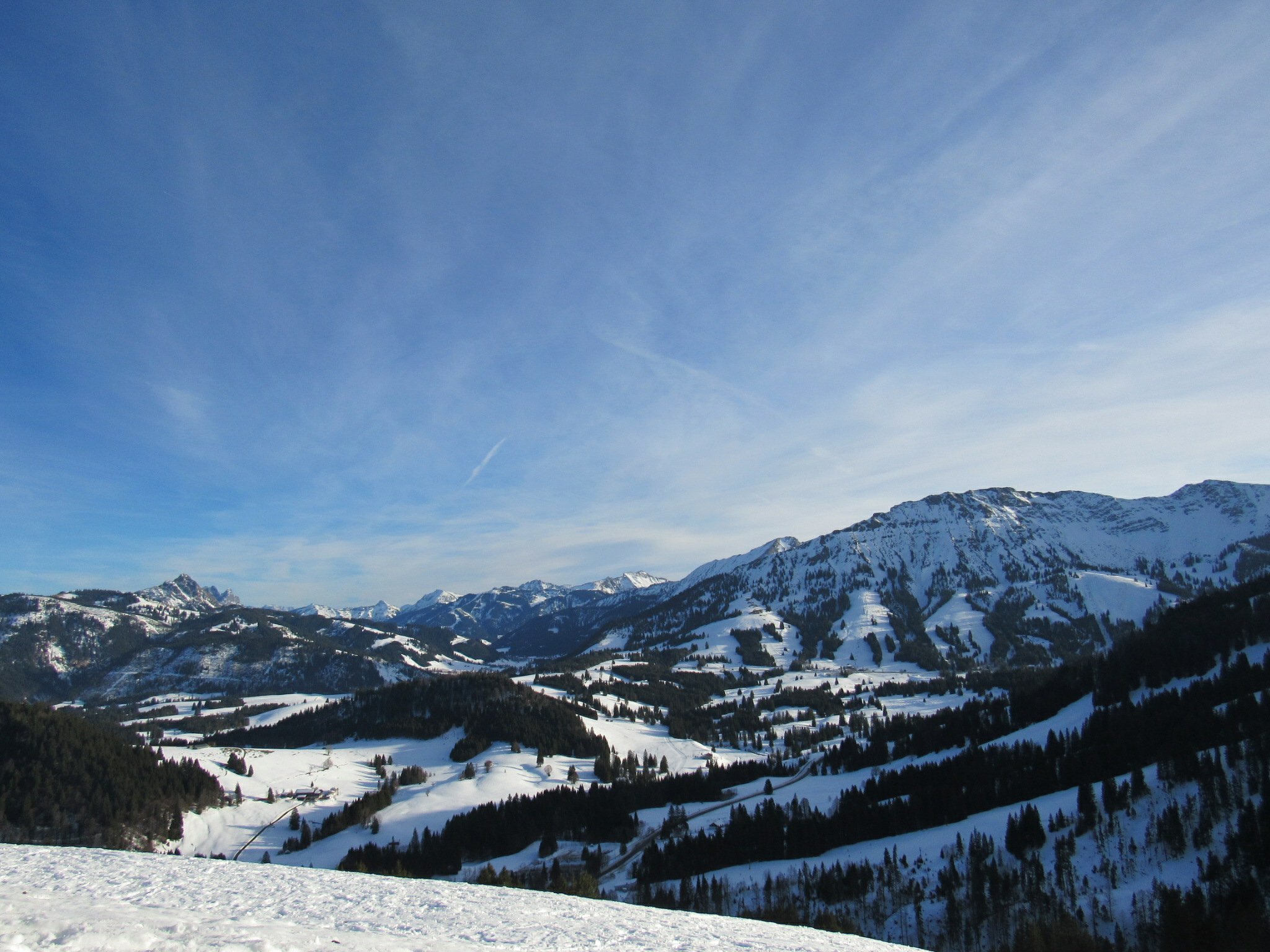
Here’s the view from a mountain we snowshoed up in Unterjoch
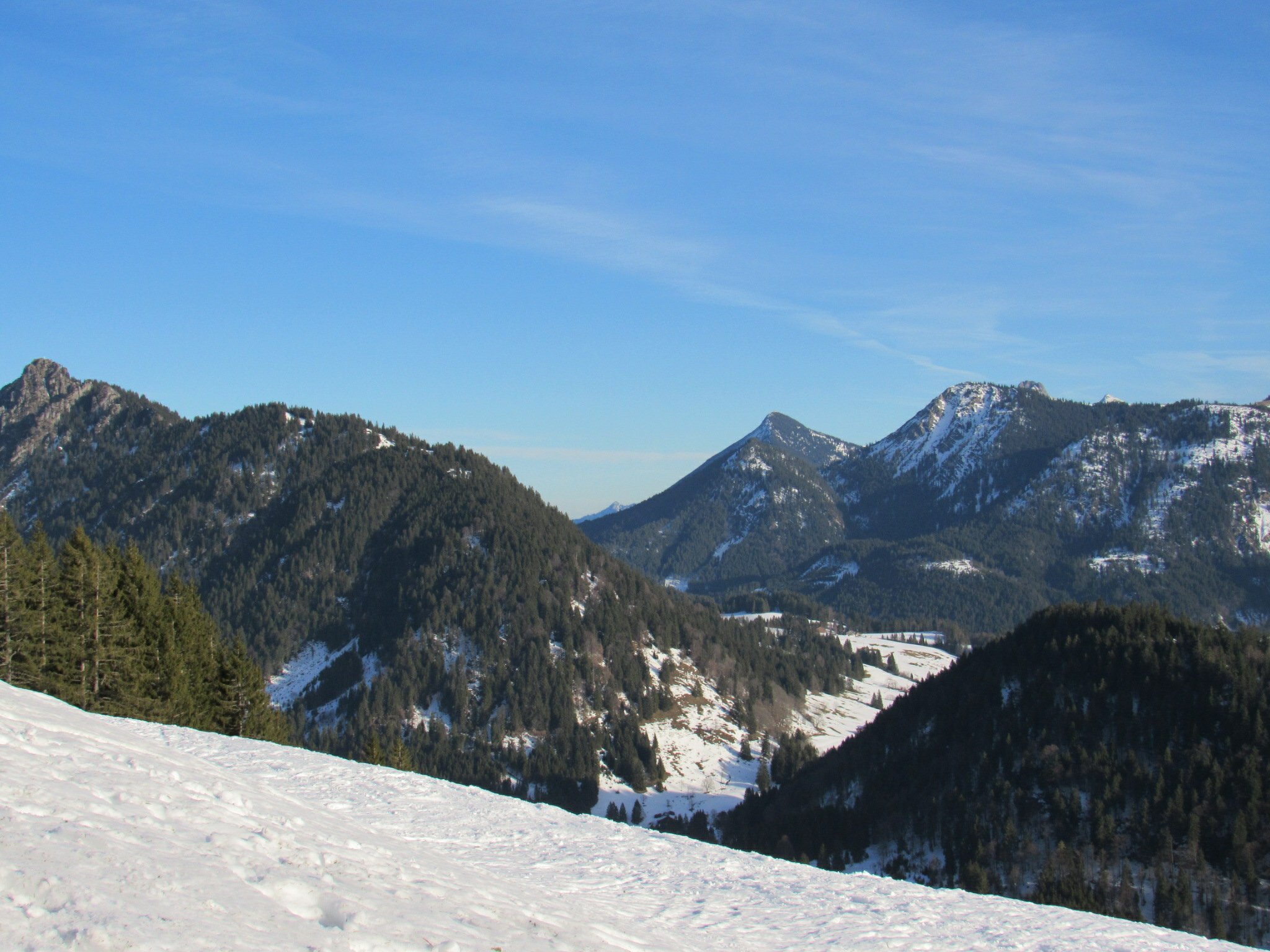
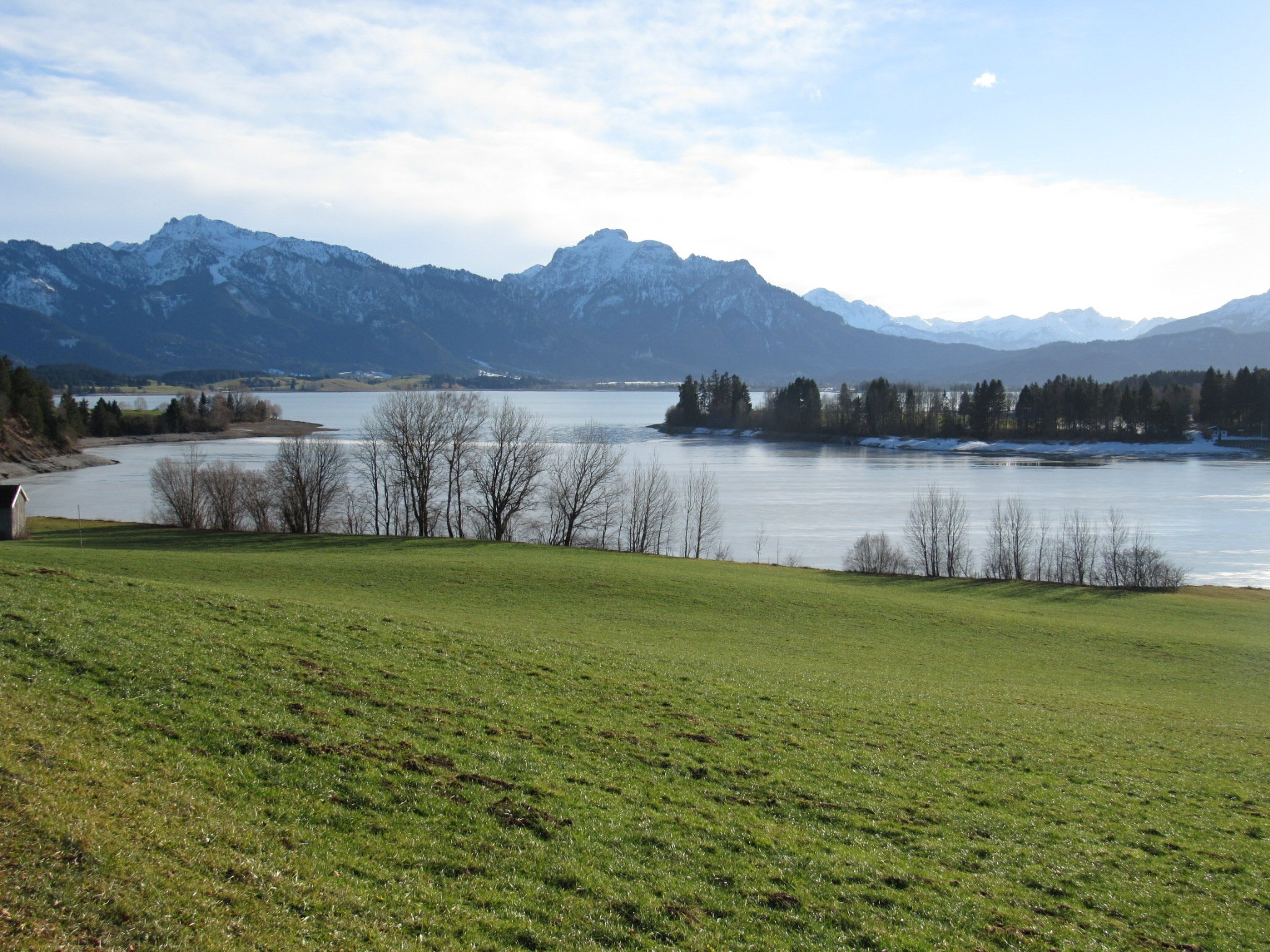
Man-made lake
A small German village we caught on a beautiful afternoon
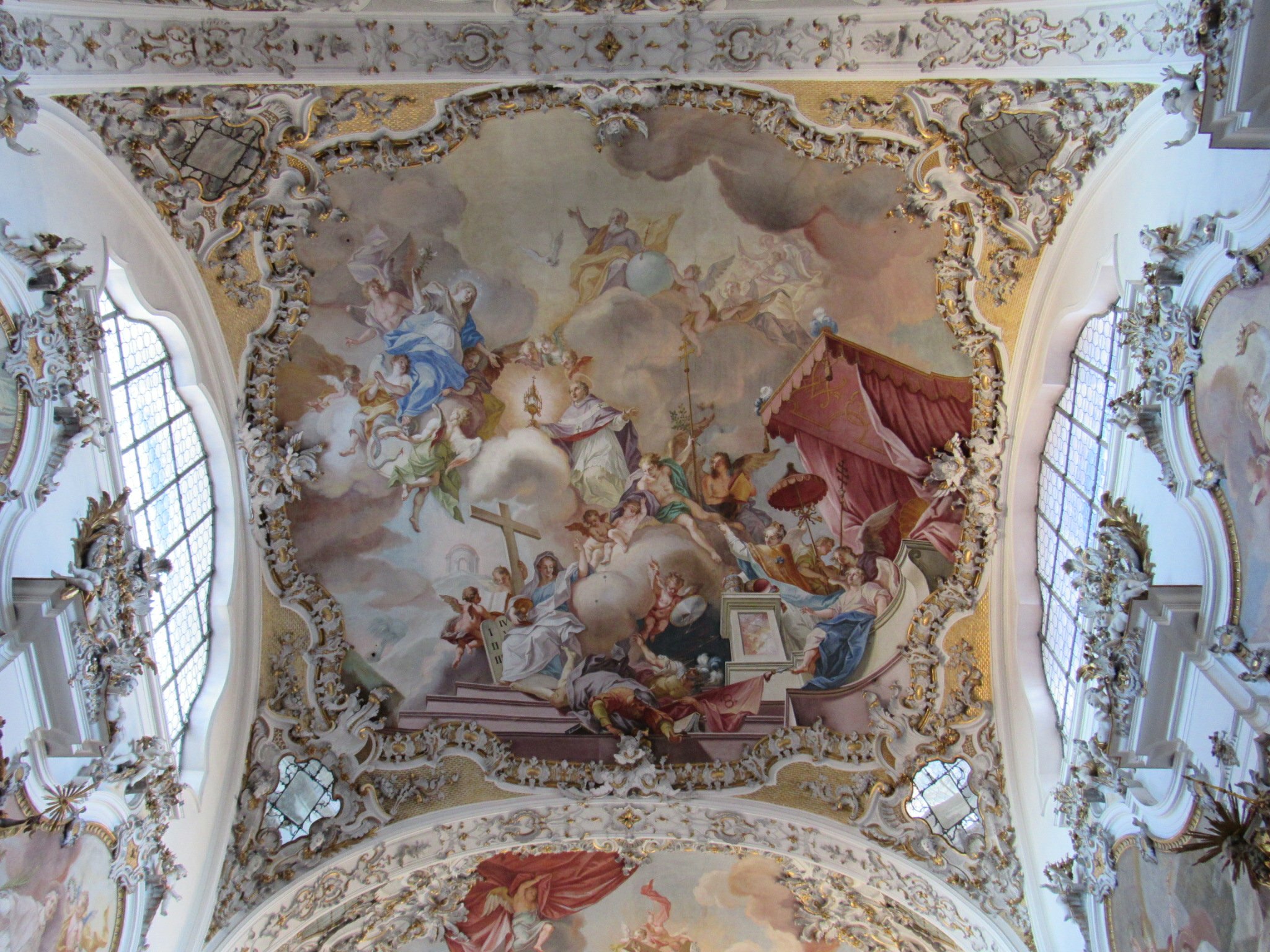
The murals in this church had me shocked- without historical context, it’s nearly impossible to understand what’s going on with all these characters and symbols!

A popular pilgrimage site in Southern Germany, known as the Church of the Scourged Savior
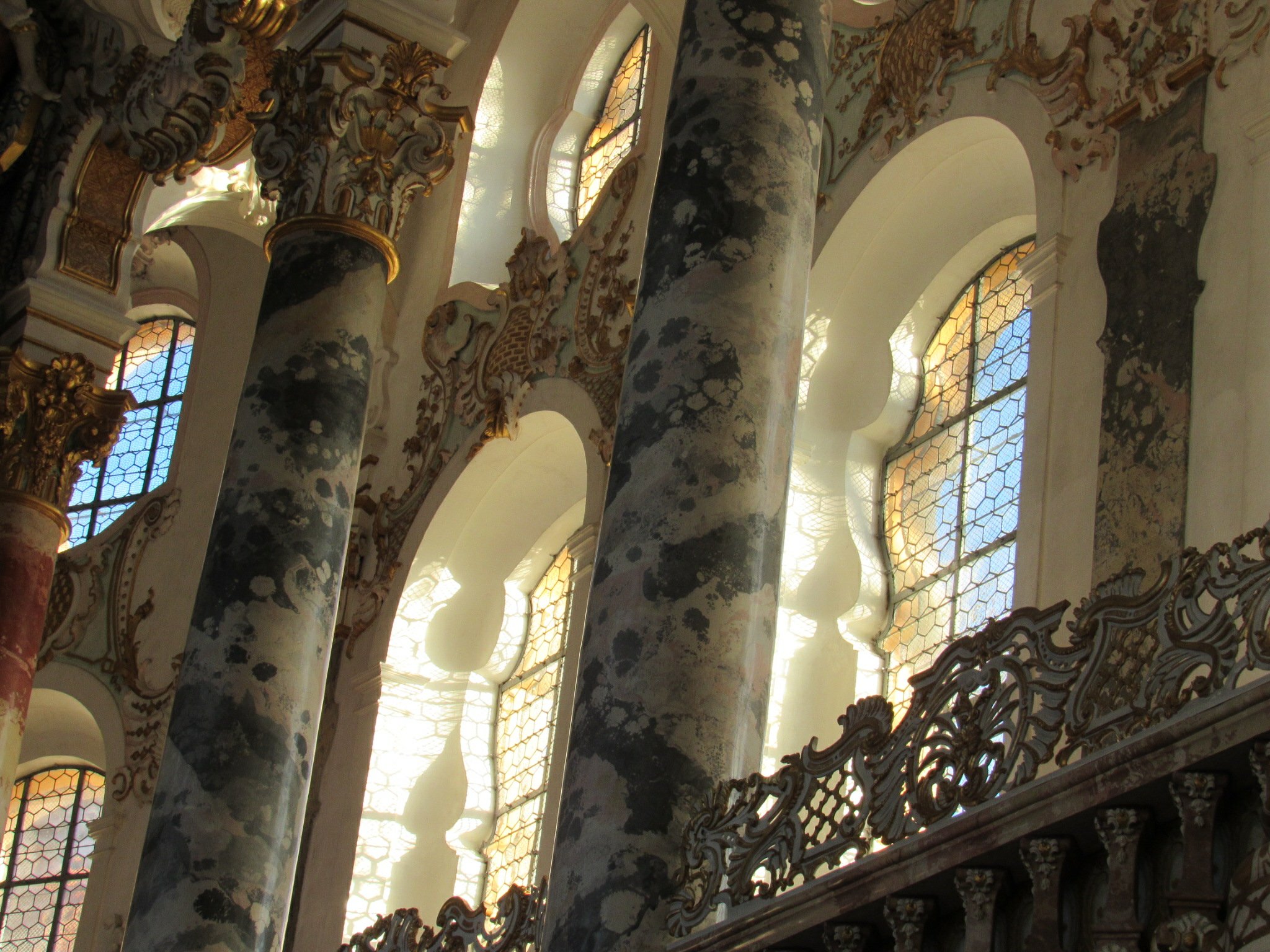
One of my favorite organ designs I saw
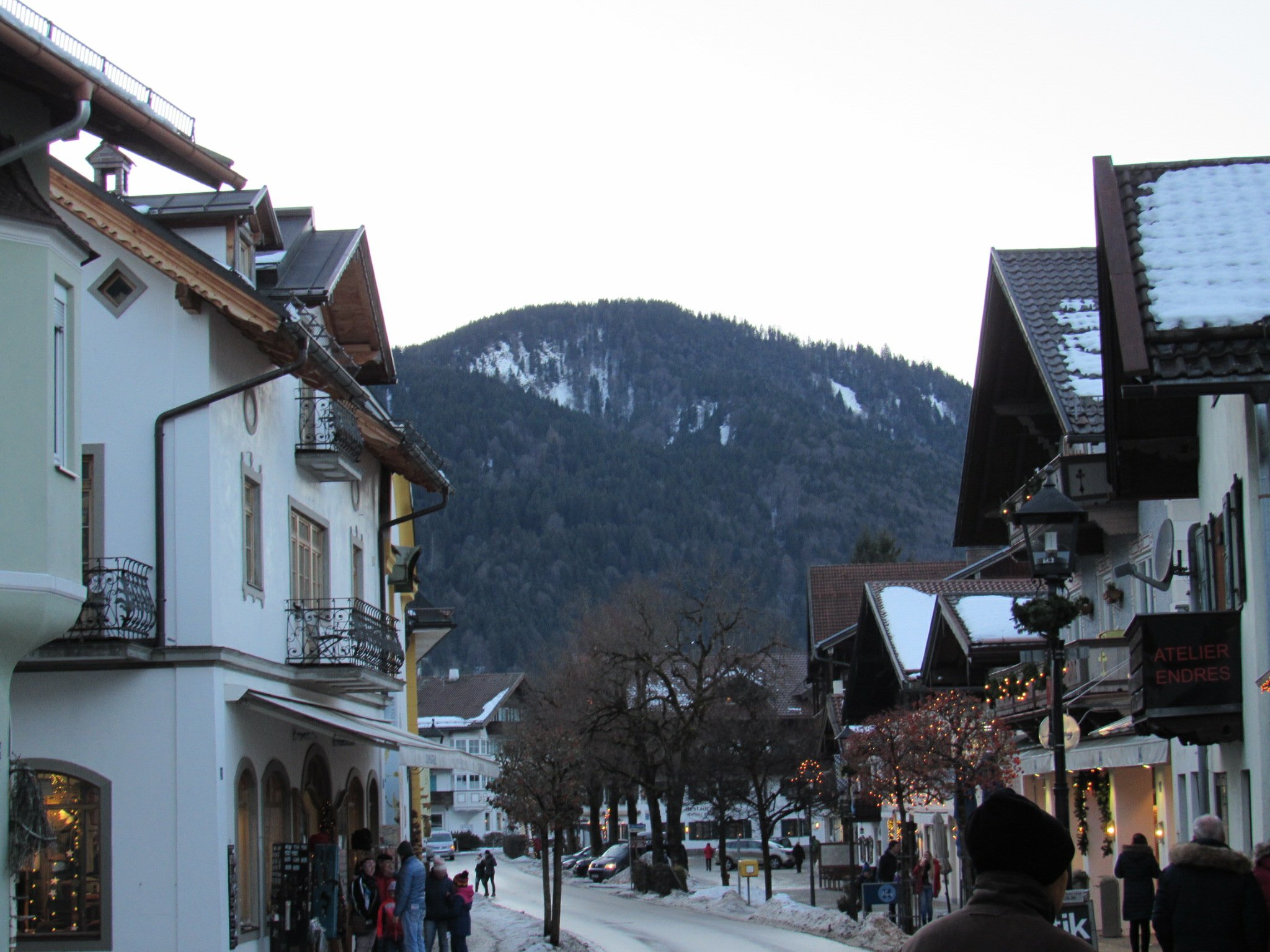
I only knew the “Oberammergau” song before I came here, but I learned the town is also famous for woodcarving and for the huge Passion re-enactments that happen every 10 years. 2020, anyone?!
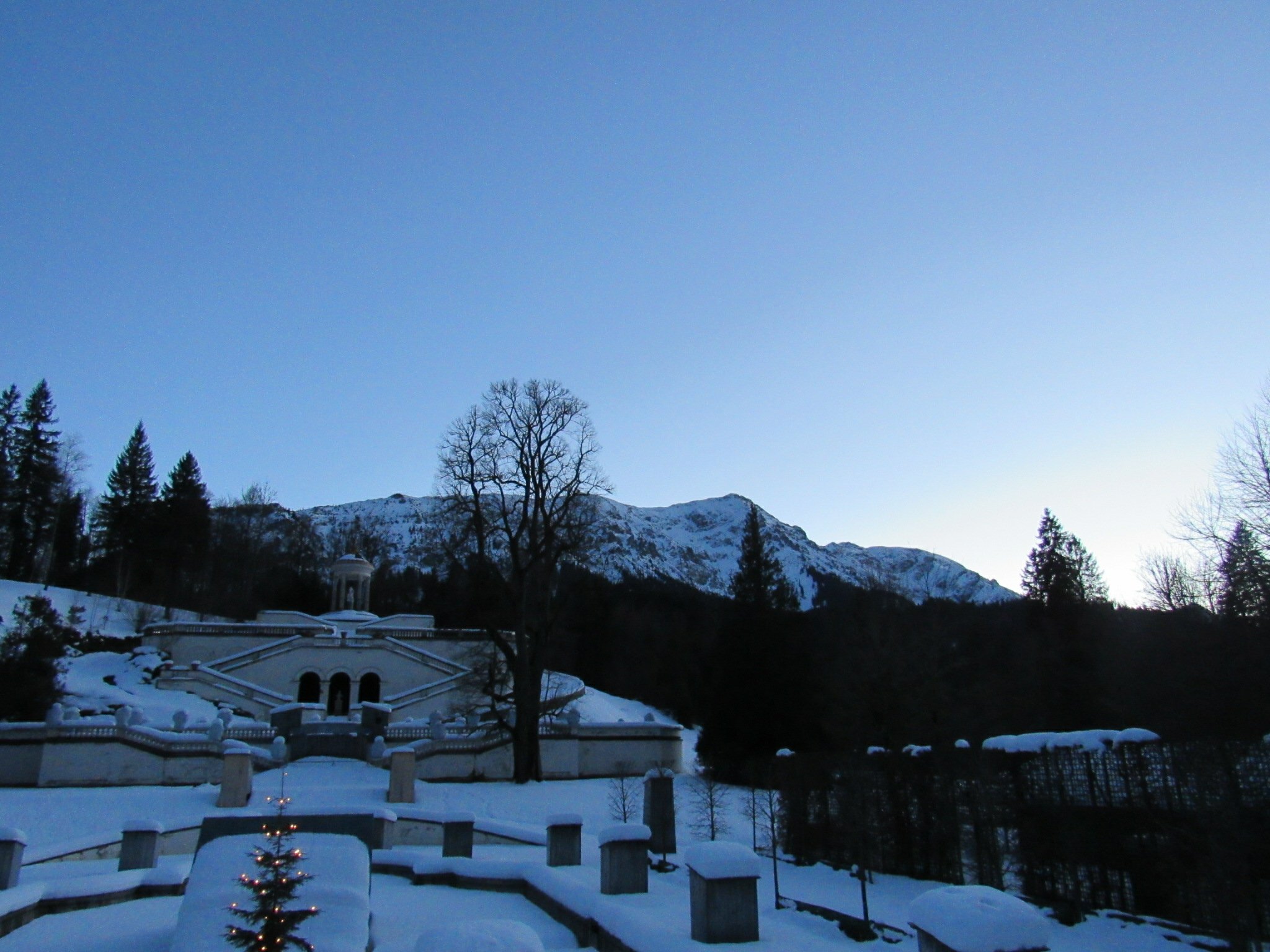
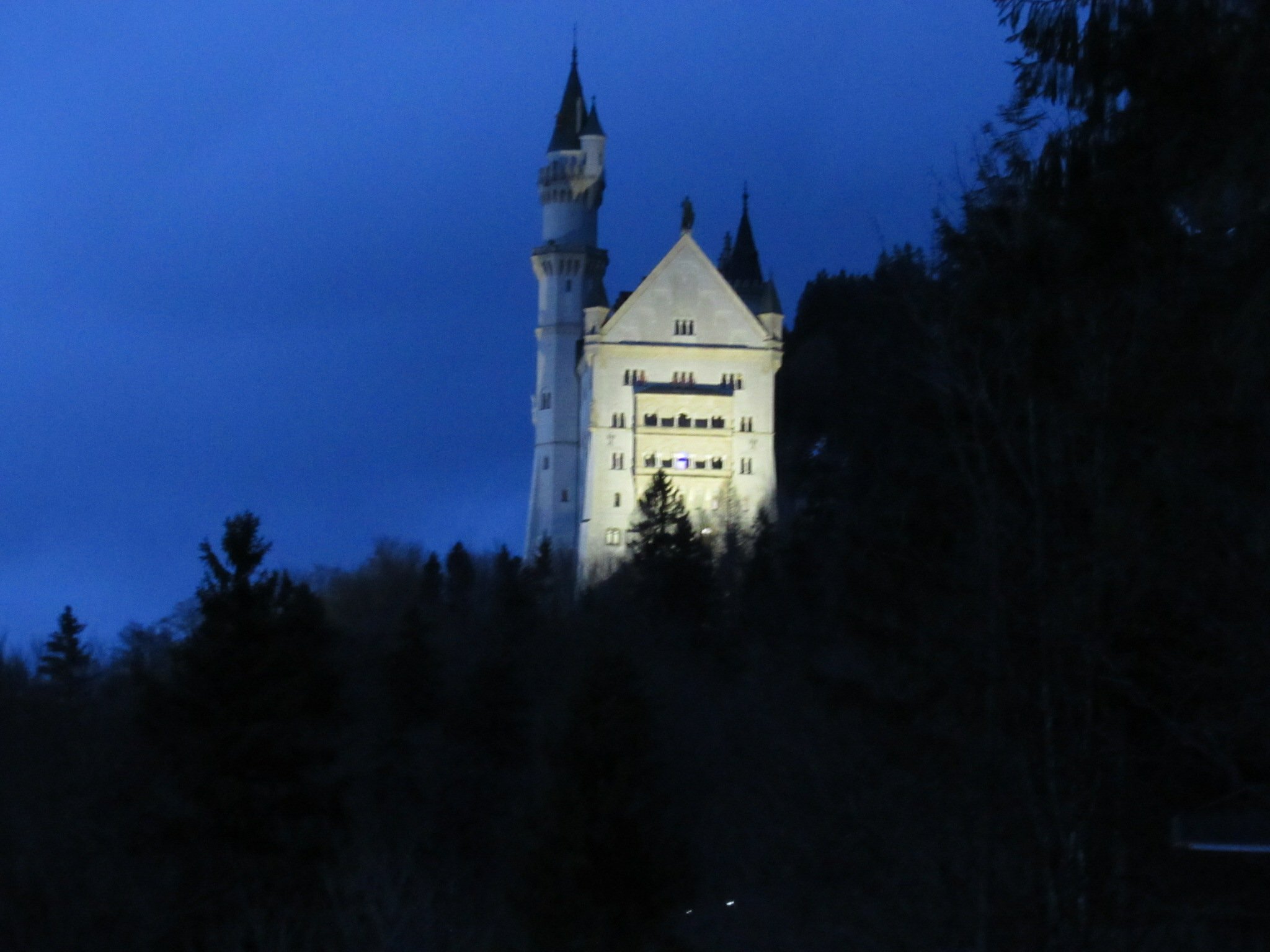
A fairytale kind of castle in the woods- my favorite part was the mysterious, tiny chapel (not pictured here unfortunately!)
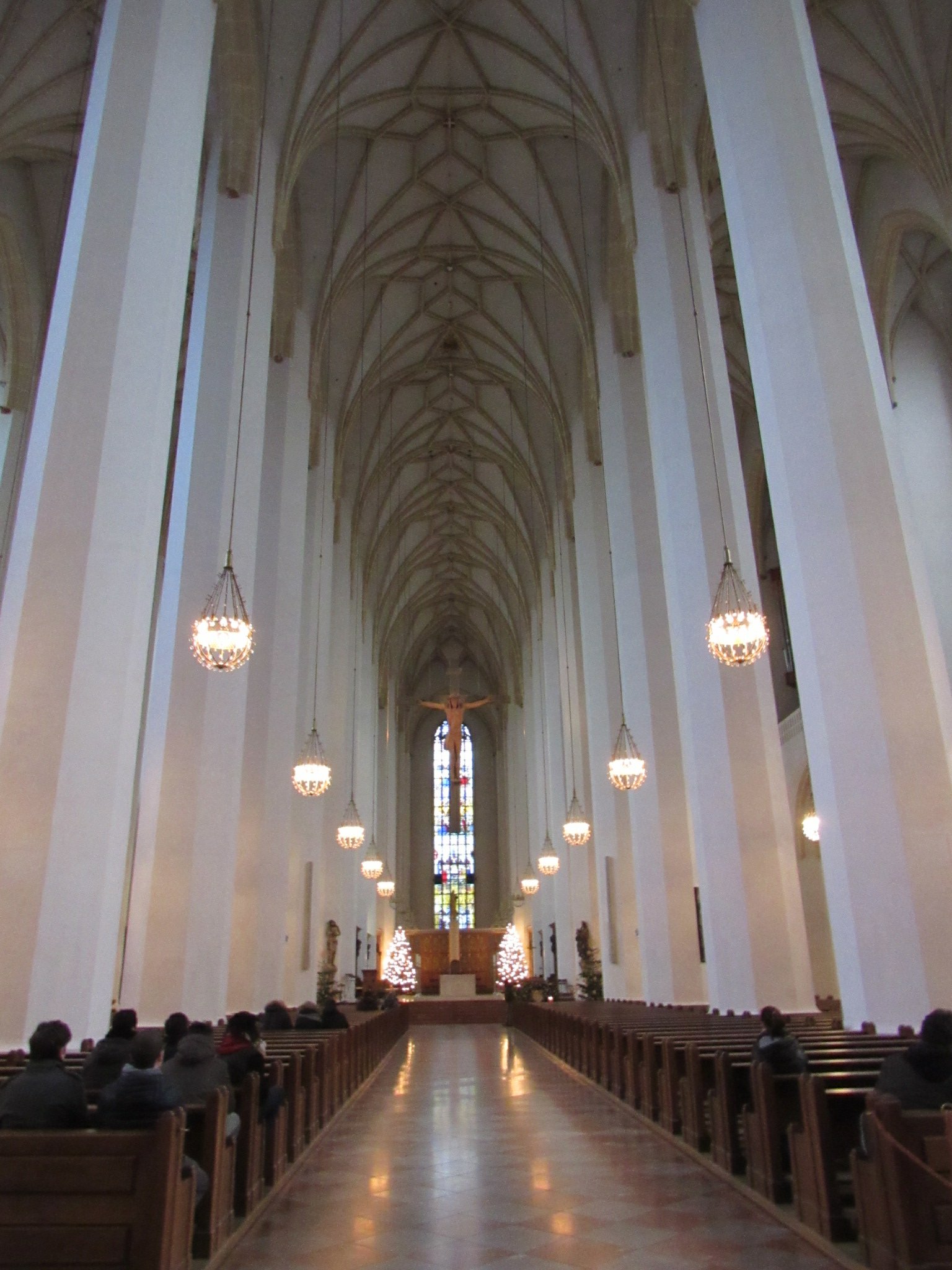
Before Cardinal Ratzinger became pope, this was his church! I fell in love with the stark architecture and the prominence of the huge crucifix.
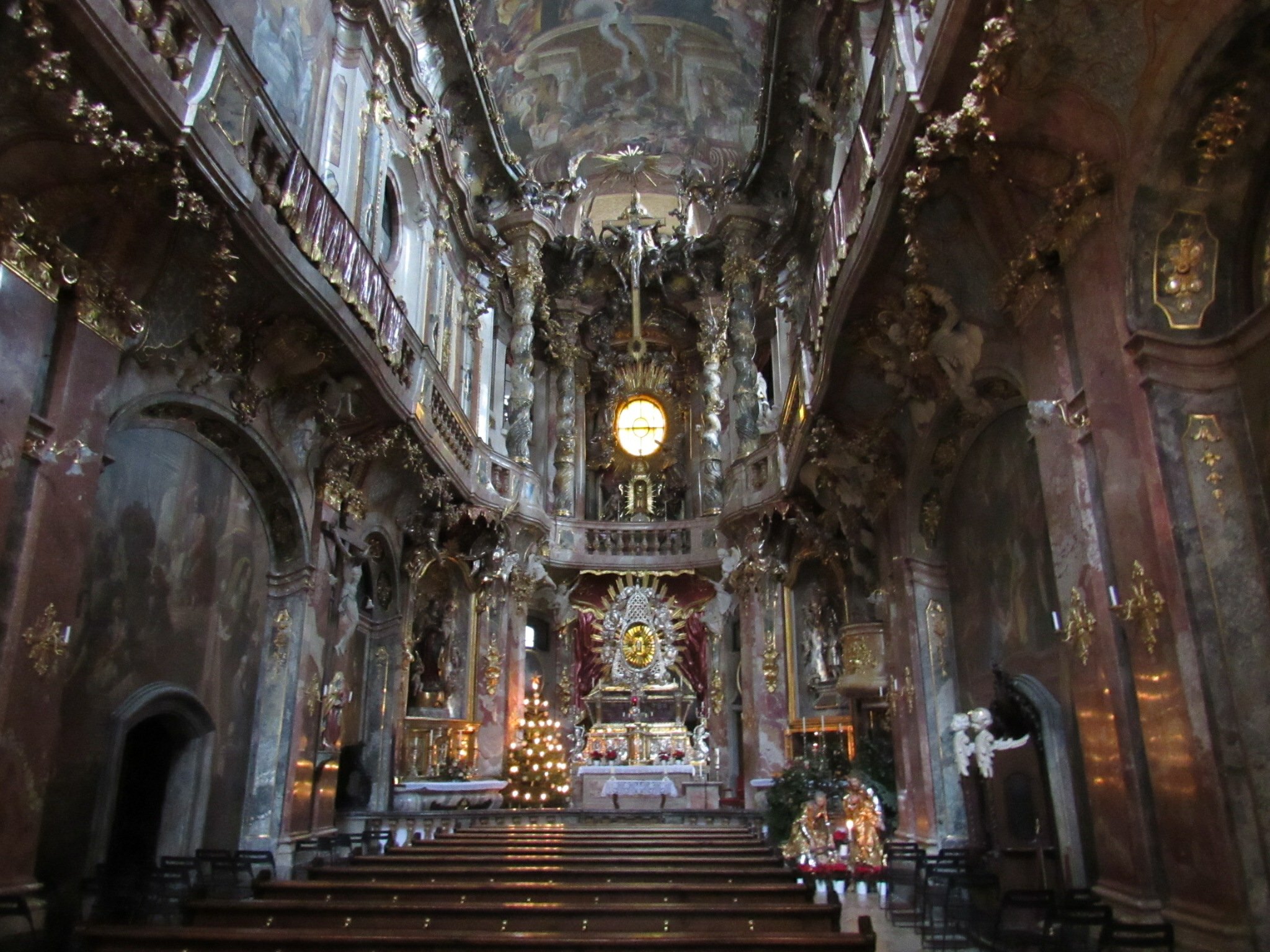
This church in Munich felt almost womb-like to me…a bit like Jonah in the whale’s belly, surrounded by images of his subconscious and unconscious, perhaps
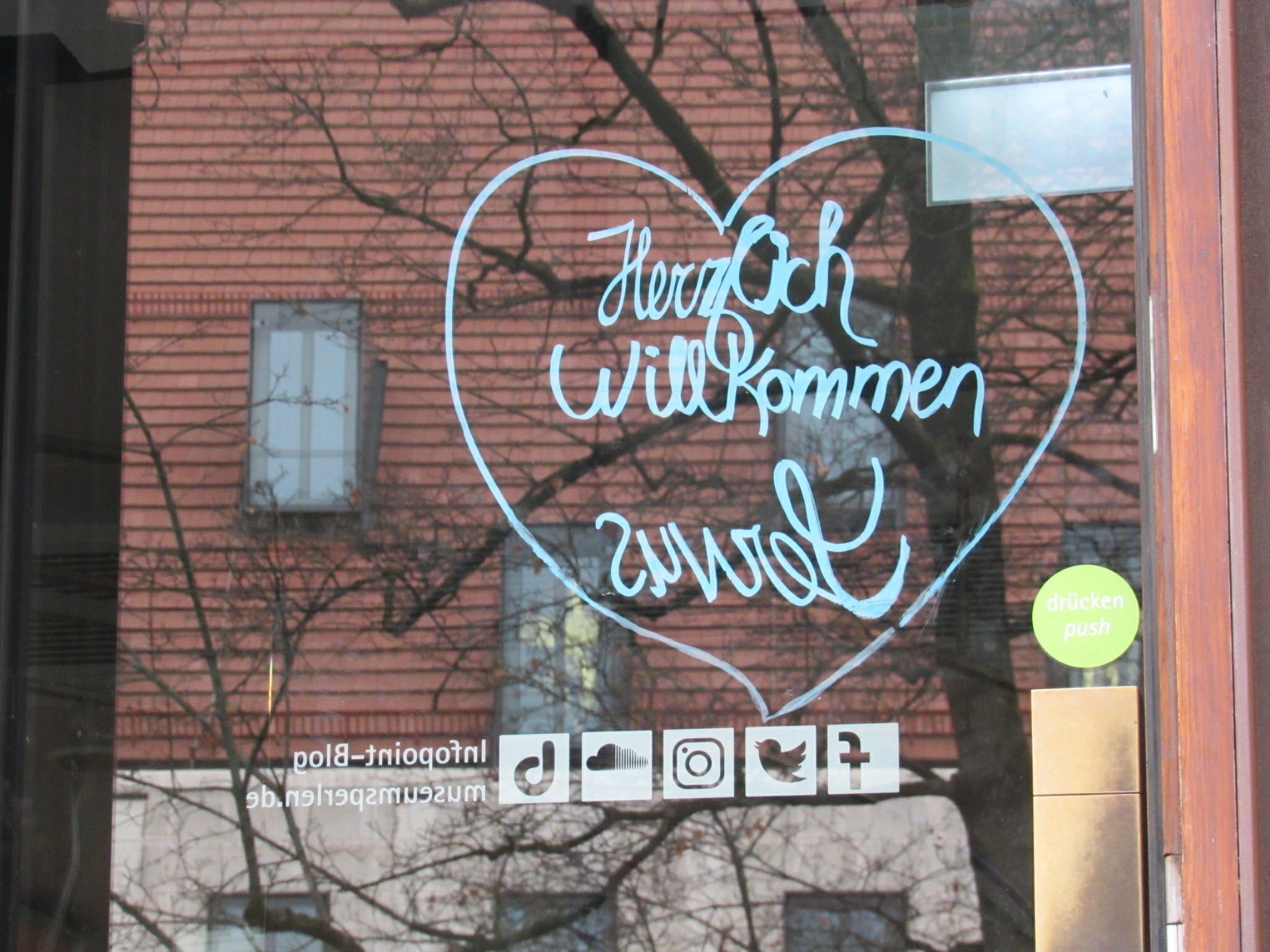
Many signs throughout Germany give you this kind of “Hearty Welcome”

The last church we visited in Munich- this one was very ornate, but without variety of color- the whole interior is white!
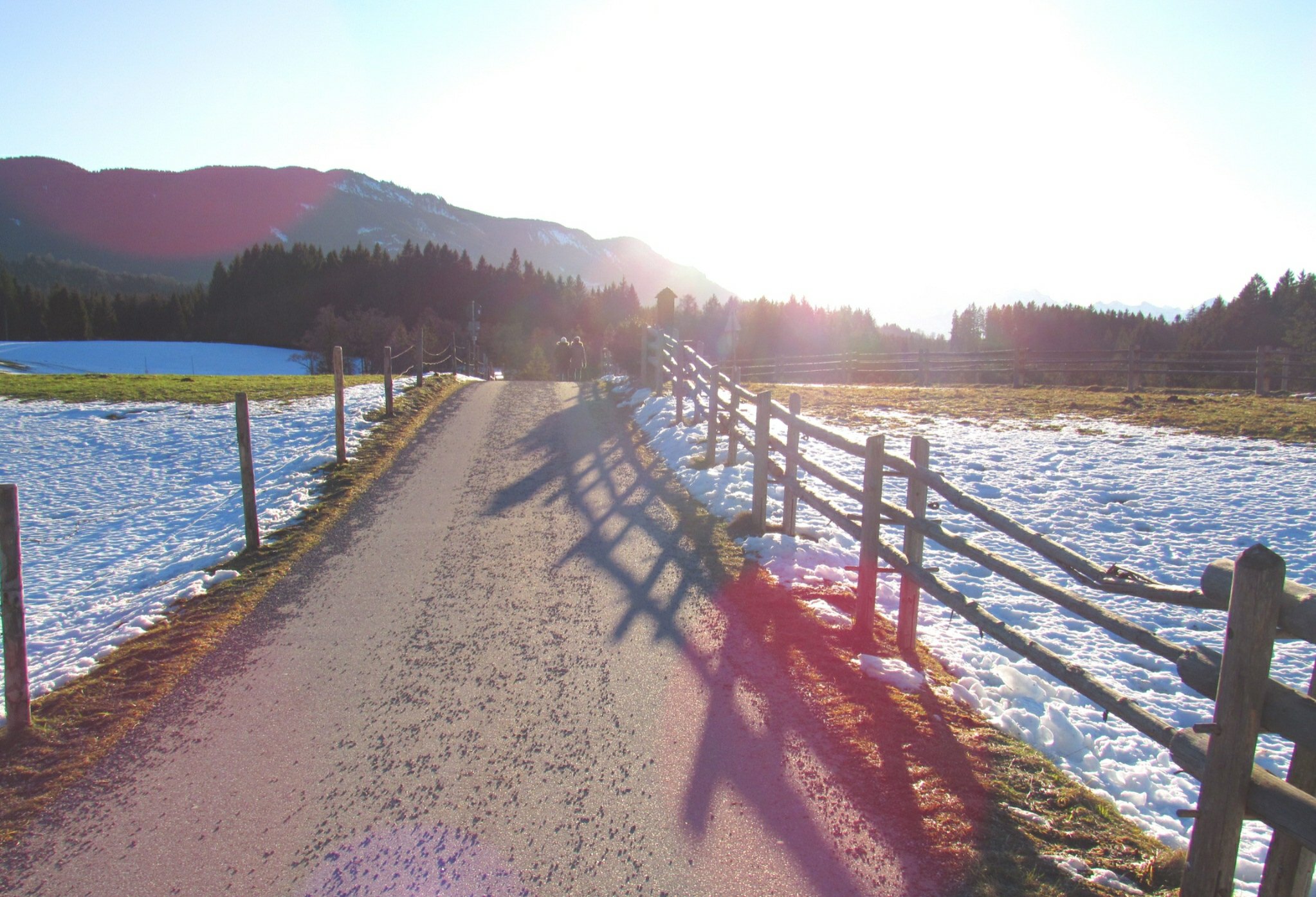
Another view from our beautiful afternoon at Wieskirche
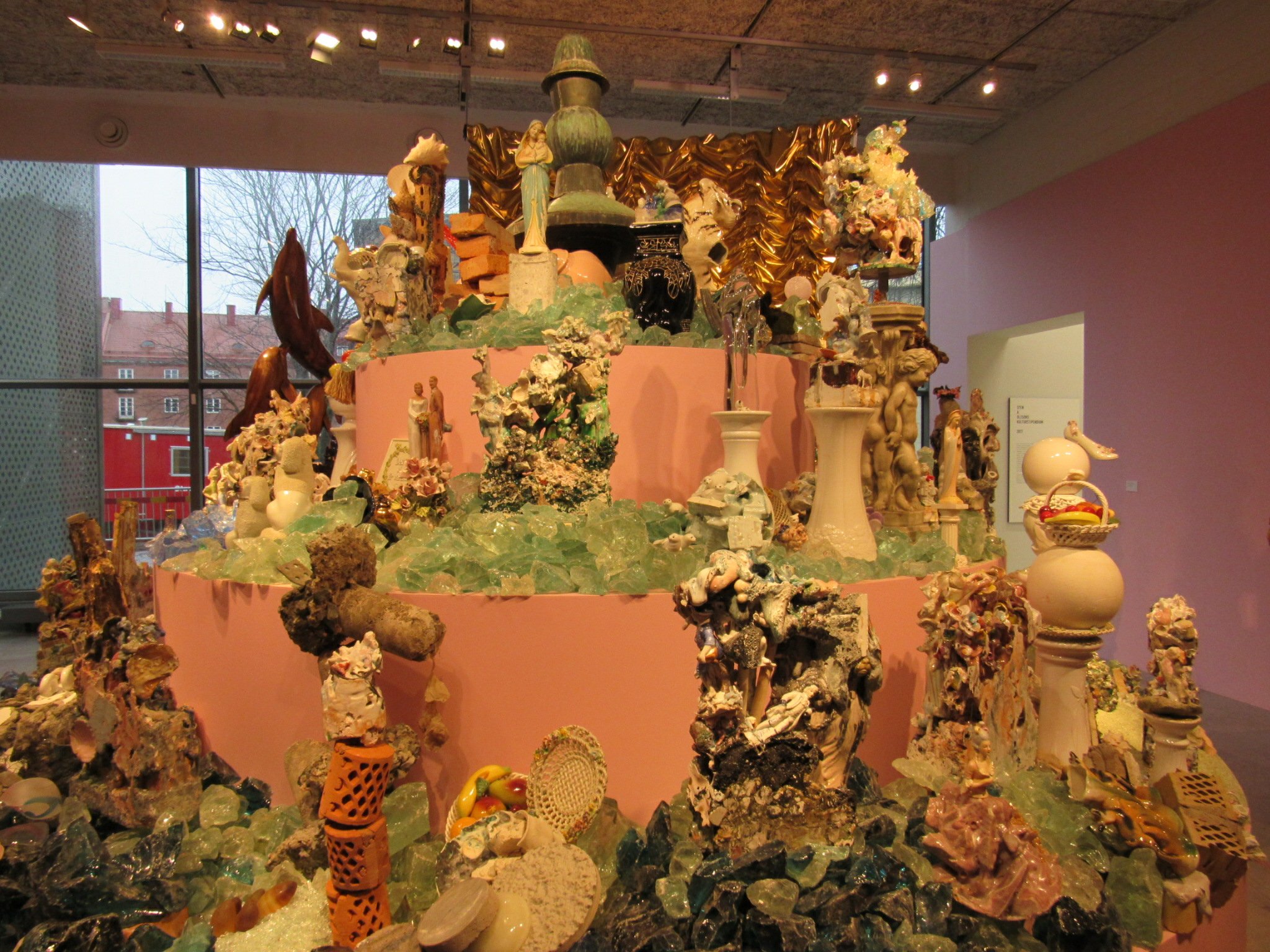
We spent a bit of time with this homage to sentimentality (I think that’s what it was called…) at the art museum in Gothenburg (Sweden)

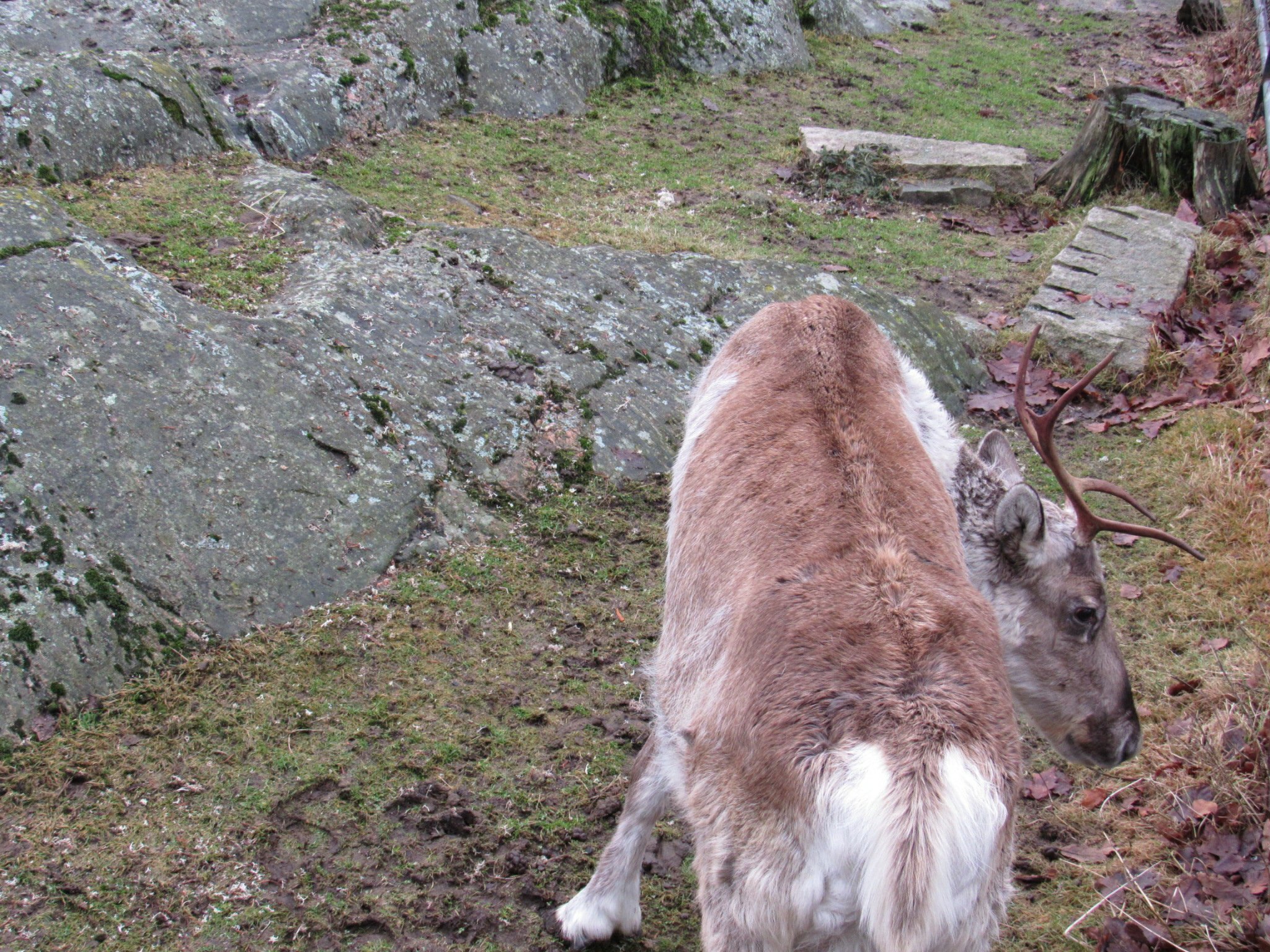
Some friends we made at the zoo in Gothenburg
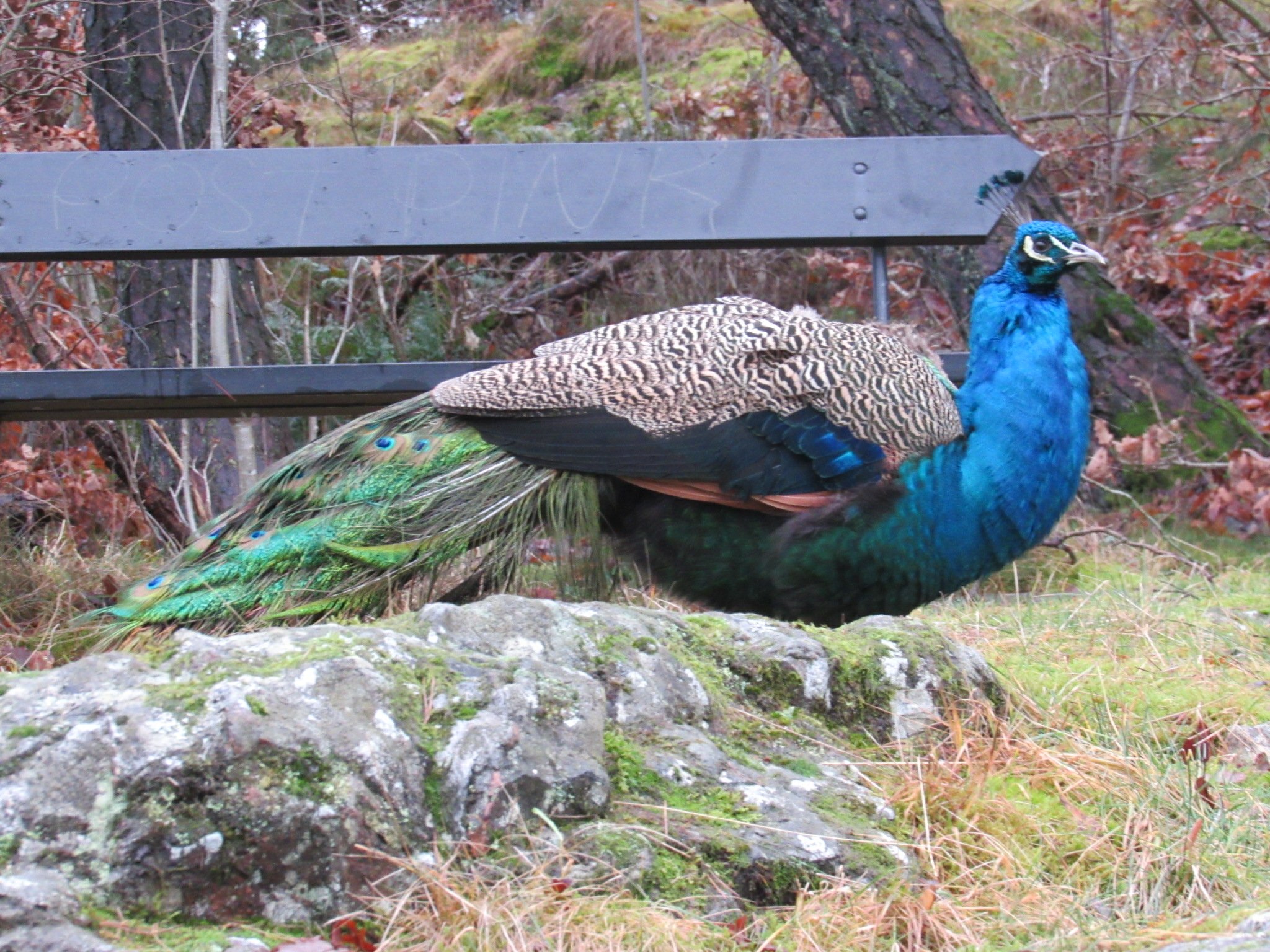
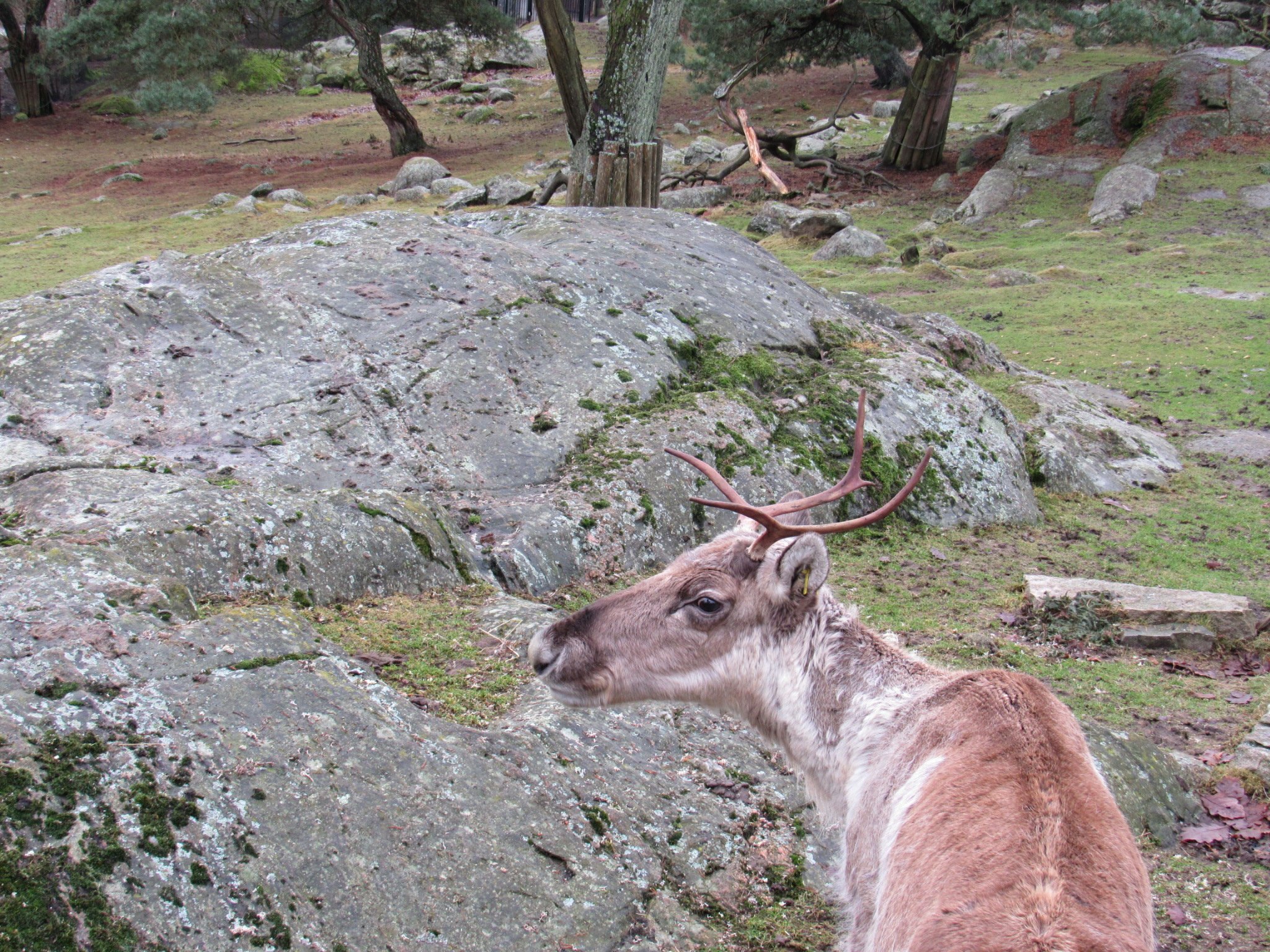
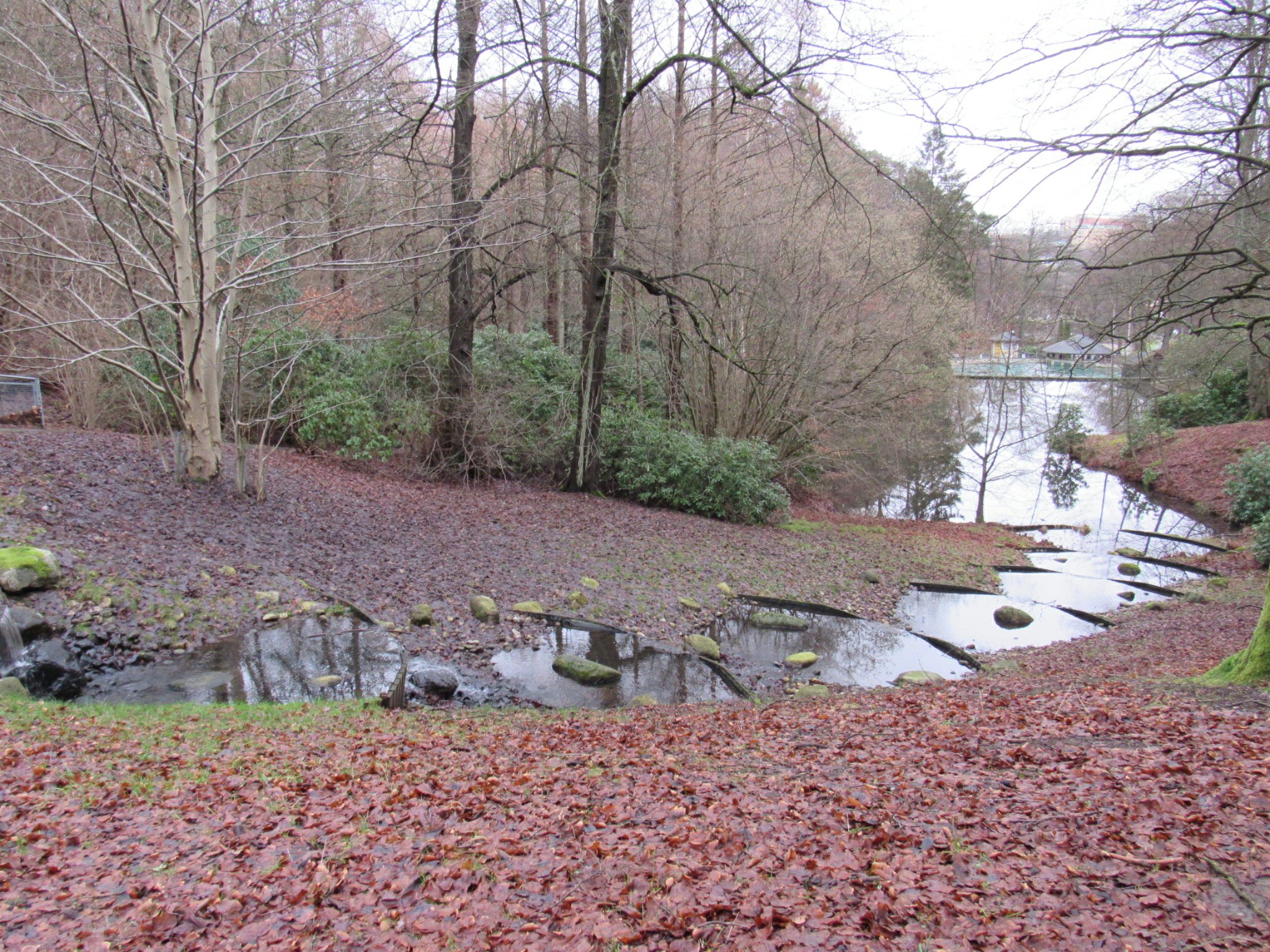
Beautiful afternoon in the Gothenburg zoo
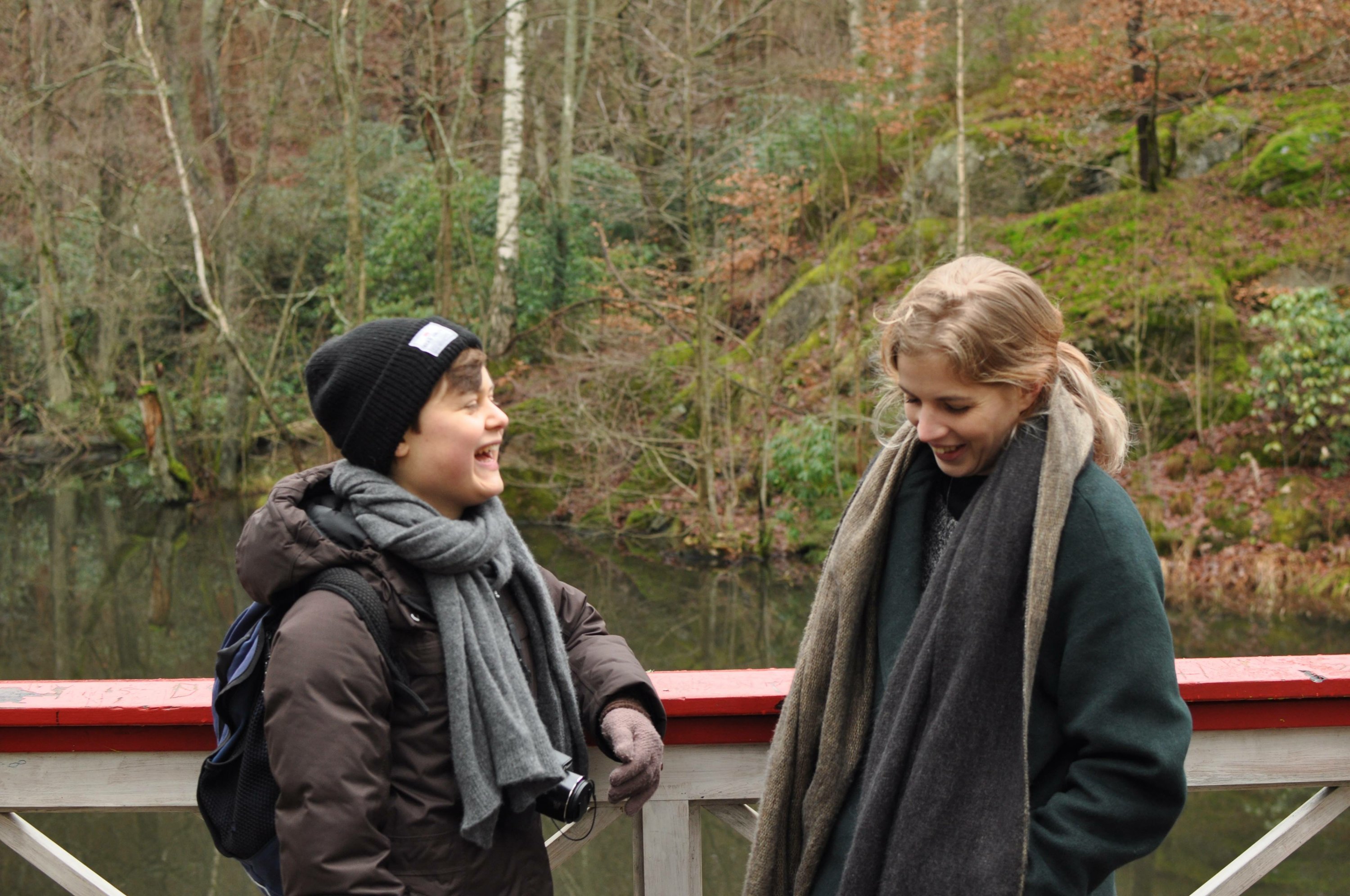
I met Mijke in Taize two summers ago, and it was great to visit with her again, this time in Gothenburg!

I just returned to London after some travels around Europe, very grateful for all who helped me out along the way- especially those family and friends who opened their homes to me! I was kept company by my sturdy backpack (named Kelty) and a bag of peanuts I bought in Lyon for one Euro that somehow didn’t run out until today. 

The trip started on the 20th of December with an overnight bus from London to Paris, then Paris to Lyon, then a train to Hautcombe Abbey. I spent Christmas with my brothers and sisters of the St Anselm Community, but also with the consecrated celibates of the Chemin Neuf Community who graciously hosted us at their abbey! It was a powerful week for me to welcome Jesus into my heart once again this Christmas, to realize the liberation that he wants to offer us, and to experience the profound joy of his coming as a baby… dancing (rather, running!) around the church in our robes after Christmas Eve mass was an unforgettable experience. 

From Hautcombe, after a short stay in Lyon with some of my St Anselm brothers and sisters, I took a train to Kempten (Germany), where I have some distant relatives! We spent the next few days touring the area- visiting local churches and castles, snowshoeing up mountains, and even driving into Austria. I got to try playing an alphorn for the first time, see pictures of my dad as a little kid when his family visited, and even learn a tiny bit of German. We spent New Year’s Eve on top of a mountain, watching hundreds of fireworks go off in the valley below. I was grateful for the views, the great food and the hospitality of family I didn’t yet know, but now do! 

My next adventure was a flight from Munich to Gothenburg, Sweden, where I stayed with friends I met two summers ago at the Iona and Taize communities. We cooked, did yoga, visited an art museum and a zoo, and spent time just relaxing and conversing. We watched and thoroughly critiqued La La Land! I was grateful for the time we spent together and the relaxed pace we took for that leg of our holiday. 

Friday night brought me back to London, which felt, in all its bustle, surprisingly like home. I sang down the streets on my way to the friend I stayed with for the last couple nights, and spent Saturday getting lost in Hyde Park and finding gluten free food. I feel blessed to have added three more countries (Germany, Austria and Sweden) to my list of places traveled (though to be fair, Austria was very quick- maybe someday I’ll be back!). And I feel most of all blessed by everyone who gave up their bed or couch, cooked some gluten free food, and shared their time with me. Happy 2018, everyone- God bless you! 
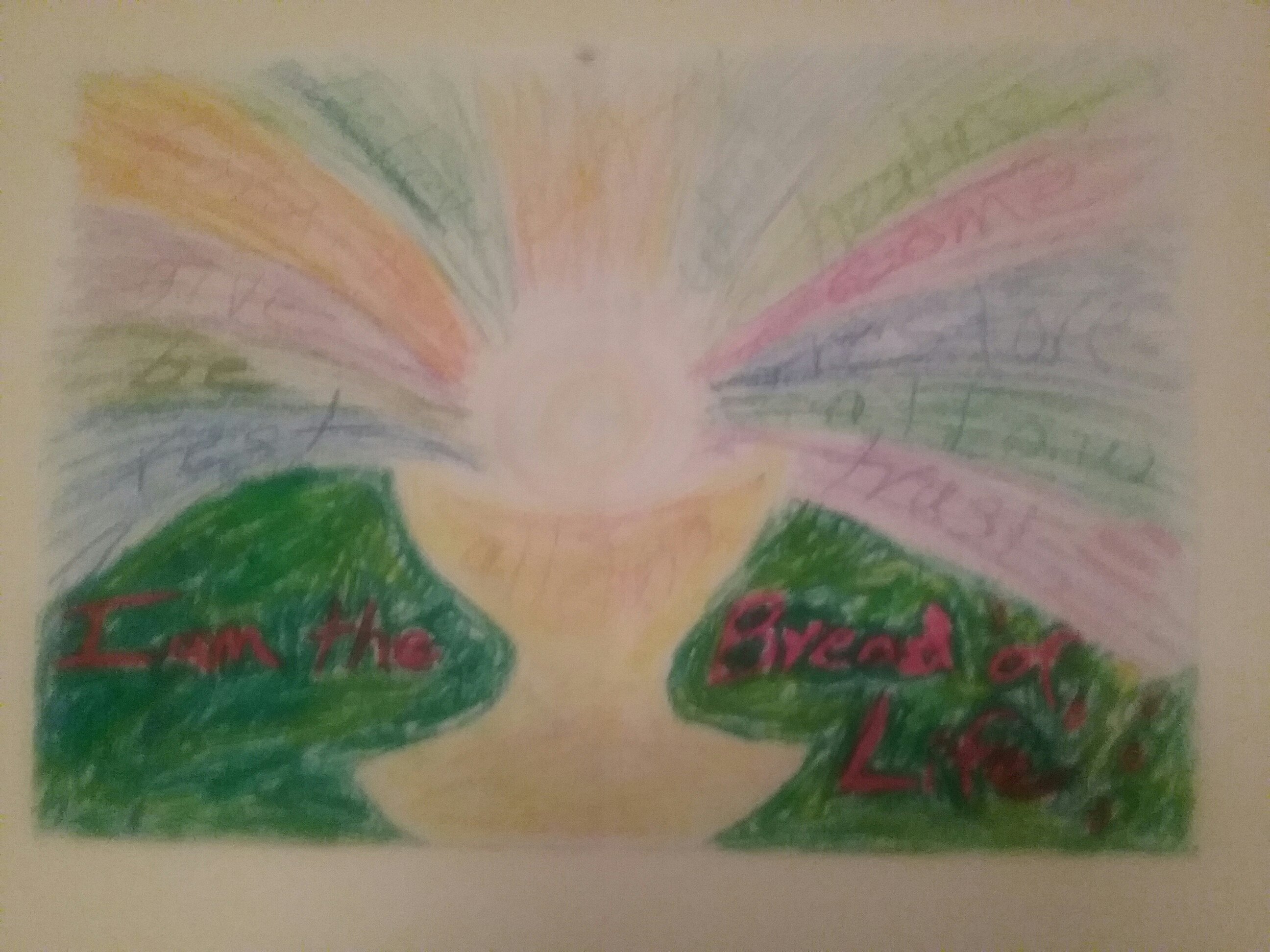
Letting God In

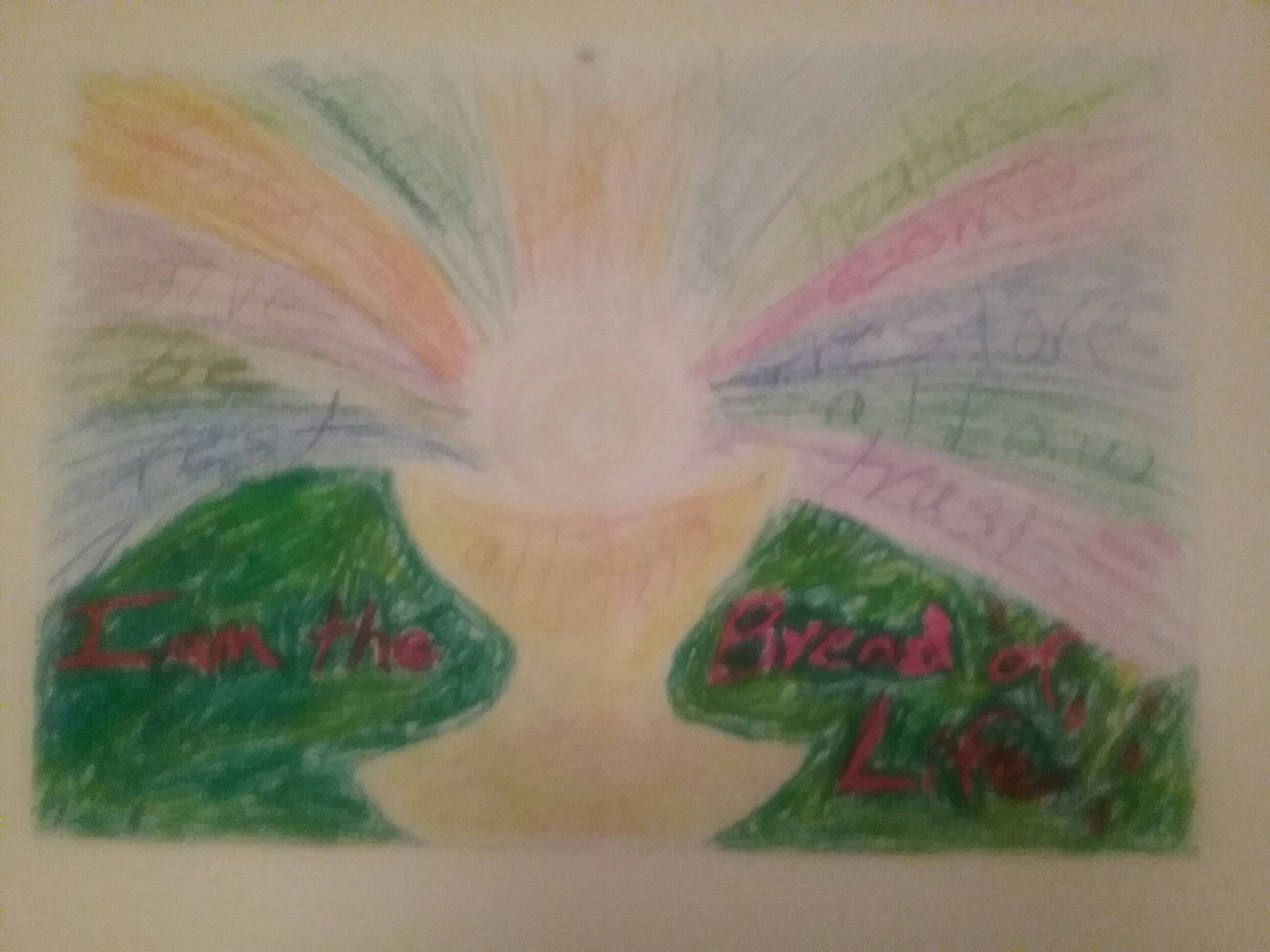
[My drawn meditation from a couple months ago on God feeding us] 

All roads lead to Jean Vanier… at least in my life, in the past year. 

Jean Vanier is a Catholic theologian who founded L’Arche, an organization of communities in which people with learning disabilities and their assistants live together. I’m blessed to volunteer two days a week at L’Arche London, where I truly just spend time with the folks there. I get to sing, dance, do puzzles, chat, take walks, just “waste time together” with residents. It’s a powerful experience in many ways, and challenges me to feel life to a different rhythm. 

One of my favorite memories so far of this “year in God’s time” is attending a performance of “Jack and the Beanstalk” that was put on by a theatre company (connected with L’Arche) for people with and without learning disabilities. It was a night of celebration, basically one long dance party for all in attendance with about four 20 minute segments of “Jack” in there. I got to see my friends absolutely shine in their roles- my favorite moment was probably a four minute dance solo by a man who has a fantastic routine to a Billy Ocean song. Lucky for me, I get to dance to it with him just about every Friday. But seeing him center stage, with everyone cheering him on, was a moment of overwhelming joy for me. 

Jean Vanier is not just a name behind an organization. He is a man with a profound sense of what it means that Jesus welcomes us in our poverty, whatever form that poverty takes. L’Arche is not heaven; it is not a “perfect” community where conflict is absent and life is a constant celebration. But it is a community that shows that everyone, all of us, have special gifts as well as vulnerabilities. It’s our vulnerabilities that allow God and one another in, to love us, and to be loved by us. 

When I say “all roads lead to Jean,” I’m not just talking about my placement at L’Arche- I’ve been soaking up Henri Nouwen, and of course he spent a lot of time at L’Arche Daybreak, in Canada. L’Arche shaped him profoundly. And as a community here at St Anselm, we’ve been reading some excerpts from Jean Vanier’s books. There’s one poem in particular, from his book “Drawn into the Mystery of Jesus,” that has been in my head for the past two months. I want to share it here because I think it rings so true in its simple profundity.  

To become holy

We human beings are a mixture
of the presence of God and the absence of God,
of light and darkness,
truth and chaos,
goodness and evil,
openness and closedness.
No human being in himself or herself is holy or pure.
We become holy only through the holiness of God.

By ourselves we cannot bridge the gap that separates
the finite from the Infinite.
God reaches out to us and we become holy
as we welcome God who comes to us.

This implies that we gradually become emptied
of the darkness and selfishness in us,
and liberated from the walls around our hearts
that separate us from God, from others and from our deepest self.

This holiness is not something we can achieve; it is given.
It is not reserved for a few strong-willed people,
for austere seekers of God,
for those who have an official role in the Church,
or for those who preach and do advanced theological studies.
It is not reserved for those who are well-known mystics
or for those who do wonderful things for the poor.
Holiness is for all those who are poor enough to welcome Jesus.
It is for people living ordinary lives and who feel lonely.
It is for all those who are old, sick, hospitalized or out of work,
who open their hearts in trust to Jesus
and cry out for his healing love.
“Come, Lord Jesus, come!” 
—————————————-

Since my last blog post, I’ve experienced many things here, from a retreat on Life in the Holy Spirit to my discovery (with the help of a friend!) of a Catholic church I really like, from a weeklong Ignatian silent retreat to attending the enthronement of a Coptic Orthodox bishop. One line of this Jean Vanier poem that I have been drawn into more and more is this: 

“Holiness is for all those who are poor enough to welcome Jesus.” 

My faith is not something I can define or achieve for myself, and I am not at the center of it. My faith is about realizing my poverty, whatever lack or fear I am experiencing at this moment, and inviting Jesus in. Not pretending the struggle is gone, not trying to extinguish it by myself, but just dropping my net into the water- saying “come, Lord Jesus, come!”- and trusting him with the rest. 

I hope this poem, “To become holy,” touched you as well. I’ve been mulling it over at this point for two months, and I am still finding its meaning afresh day after day. 

We’re getting ready for Christmas here, which for us means traveling to Hautcombe Abbey to be with the Chemin Neuf Community there. We have some members of Chemin Neuf living with us here at Lambeth, both to provide chaplaincy support to the Archbishop, as well as to lead and guide our community. After Hautcombe, I’ll be having some adventures in Germany and Sweden for a holiday break before returning here in January. 

This is my first time being away from home for Christmas, and also my first time being “on the go” so much around this time of year. I think about Mary and Joseph, who welcomed Jesus into their poverty and instability. God comes to us even when the world says there is no room for him. My prayer for this time of year is Jean Vanier’s prayer: that we might see our poverty, whatever it may be, not as a barrier to God, but as the place where we can let him in to love us. God bless you all this Christmas.  

Minding the Gap

I’ve been struggling between “Catholic” and “Protestant” for quite some time. I know those are huge categories- hard to define, understood differently by different people. In some cases these labels even impose false dichotomies. But this week, as I sifted through memories, participated in a discussion on the diverse faith backgrounds of the residents and nonresidents in our community, and thought about the impending 500 year anniversary of Luther’s supposed vandalism (his 95 theses), I came face to face with the difficulties between my own Catholic and Protestant identities. 

Here’s a brief timeline of my life trying to “mind the gap.” 

I grew up attending a Roman Catholic church every Sunday with my family- going to religious education, helping out in the parish, all that jazz. 

In high school, I began to experiment a little bit with some reformed churches. I attended a non-denominational Sunday service with a friend. I got interested, just a little bit at first, in the Taize Community. I played interludes during the service at a local UCC church. 

I became a religious studies major in college, and the fun began. I read Paul’s Letter to the Romans straight through and found myself changed. I read Martin Luther and Karl Barth and found myself agreeing. I started leading a children’s choir at a Methodist church. I wrote about Lutheran theology in Bach and even started attending an Episcopal church with some frequency. My journeys to Taize and Iona happened. I navigated my participation into and out of leadership in my campus Intervarsity chapter. I went to Orthodox and Presbyterian services, many flavors of Catholic mass, Lutheran and UCC and even Moravian one time. 

I found myself in the middle of internal (and occasionally external) debates over the meaning of community, the ordination of women, the place of tradition, the validity of the papacy, the use of music in worship, the emphasis (or de-emphasis) on specifically sacred space. I could bore you and myself to tears recounting the many debates on which I can just see both sides and don’t yet have a firm conviction. 

In one of my favorite courses, “Divine Love in the 17th Century,” I developed a yet unproven and very shaky theory that the development of tonality in Western common practice music is intrinsically linked to the Protestant Reformation. Our understanding of language, and of the shape and arc of the Bible and culture, is intertwined with how we hear music. Protestant models of understanding scripture, to my ear, fit with the tonality cultivated by composers such as Bach much more than the modal music to which Catholic spirituality is akin. More on this in grad school? 

In any case, I don’t find myself convicted toward agreeing wholeheartedly with one denomination’s approach to Christian spirituality and discipleship. I thought this “year in God’s time” might be for bringing me into one place I can call home, and perhaps it might yet. But for now, I find myself called more and more into the gap. More and more into the questions, misunderstandings, areas of pain, between our Catholic and Protestant brothers and sisters. 

I think Jesus shows us that we’re all called to live with wounds. Often, I believe that from our woundedness comes our deepest point of ministry. I’ve been on a journey toward understanding my wrist injury this way. Although it prevented me from achieving what I perhaps “wanted to” with piano, it continues to teach me what music really is. Music is not about me and what I can prove; music at the core, God’s music, is the life-giving vibration that holds the universe together and sustains us all. It’s not in my control; I get to enjoy it as a gift. My relation to it, just like my relationship to God, has been broken by my incessant striving for perfection. But through acknowledging and offering up my brokenness and my wounds, I can experience the healing of restored relationship. 

My wounds, my places of non-belonging and betweenness in the whole Catholic and Protestant divide, are somewhere I believe I’m called to minister from. I can’t see it yet, but I have to trust the voice of God beyond any one institutional claim to truth. This does not mean denying that the institutions of our faith are important teachers. I believe it does mean laying down my fear of disappointing a structure or hierarchy when it gets in the way of listening to the voice of God’s restorative justice and love for my life. 

I struggle with when and where to receive communion and when to receive a blessing instead. I accidentally sign the cross in Lutheran church and mistakenly try to speak the words of the grace along with the priest in Catholic church. I find myself without an anchor in the midst of theological debates. And yet I have to believe that Christ is with me in this gap, and that this too is a part of the path to which I’m called. My prayer is that I can keep walking forward, not to get sucked into the confusion and despair at it, but to hear Christ’s reconciling voice as he calls out to me and my brothers and sisters. Bread broken for us, broken bread we are, but whole, I believe, only through Christ, whose woundedness restores us. 

Prodigal 

Luke 15: 11-32 

A man has two sons. One abandons his sonship and goes far away. In chasing after pleasure, he ends up degrading himself and others. His father’s money spent, he wastes away in physical and emotional poverty. He crawls back to his father’s home hoping to be welcomed as a servant, and receives instead the most loving embrace. 

The other son stays obediently home the whole time. When his brother returns, though, it becomes clear that he too has been wasting away. He has been obedient, but he has not experienced his father’s love for the free gift it is. In his resentment over the celebration for his brother, he shows just how far he is from the truth of what it means to be loved, without limit or condition, by his father. 

I’ve been savoring Henri Nouwen’s book The Return of the Prodigal Son, which meditates on Rembrandt’s interpretation of the return (pictured above) in dialogue with the story from Luke’s gospel. It has taken me a really long time to get through the book because every sentence is a gem, and I keep feeling the need to fill my journal with quotes. Nouwen makes millions of points that resonate deeply with me, so I’m letting myself off the hook from giving any kind of summary or review with this blog. All I’m going to write about today is the elder brother. 

Two weeks ago, I was taking a walk in Westminster (the borough, not the cathedral), and I was chatting casually with God. I happened to ask, “why am I here this year?”   

“To be loved.” 

I have to admit, usually when I ask questions like this, the answer I’m hoping for is something tangible. I’d be comfortable with a direction to walk in, with an instruction for something I ought to do. But for some reason, whenever I ask these questions, the answers God seems to give me require my receptivity rather than my action. I am asked to relinquish control instead of do more. (If you’re curious, ask me sometime the story of what I heard when I asked God, “What do you want from me?”) 

I think it was about two years ago that I was having a conversation with some family members about teenage rebellion. I said something like, “I think it’s necessary for everyone, in some way, to run away from what’s familiar and comfortable, to at least try out being someone they’re not.” 

My little sister looked up at me, puzzled. I can still hear her voice- “Gabi, you never were not.” 

I think I laughed, but I know that deep down I was hurt. I immediately launched into a speech on how I really had rebelled. I tried to justify how my “breakdown” with music surrounding the organ major I ended up not pursuing and the piano I’d somehow ended up hating was a rebellion. Back to the prodigal son story, I tried to make it seem like I had left my Father’s house. I made a passionate case for how I had been the younger son, but my sister just didn’t see it. 

In truth, my “running away from music” is perhaps a pitiful example of the kind of life-draining rebellion that the younger son undergoes. My relationship with God grew through the confusion, instead of disintegrating. My wrist injury wasn’t from seeking after pleasure and ending up broken; it was prolonged by trying too hard to be obedient. 

And realizing that, at least in her eyes, I was the elder son in the story, really hurt. Because the elder son seems much blinder than the younger. At the end of the story, the Father says that his son who was lost is found; he was blind but now he sees. But the elder son remains in limbo, perhaps still blind to his father’s love. He thinks he has clear vision because of his exacting obedience, but he does not see with the eyes of love. 

Henri Nouwen spends a lot of time with the elder son in his book. Nouwen, like me, identifies a lot with the elder son. Growing up in a religious context, in a faithful family, practically never missing a Sunday of church in my life, only to be told that God doesn’t require this to love me. 

For so long, I’ve been resentful of this whole parable itself because I feel like God won’t accept me for who I am. I wish I had some dramatic story about going to a distant country and needing to repent of everything, of feeling the floodgates of love opened. Now, there are certainly parts of me and my story that resonate with the younger son, but on the whole this just isn’t my experience. I struggle with feeling that I have to become the younger son in order to be loved. The older son just doesn’t get the point- so how can I? 

Nouwen challenges this. Nouwen says that how the older son in us reacts is up to us. We’re left hanging at the end of the parable- we don’t know if he’ll join the party or sulk.  

The other day, I was expressing my struggles with my “older son” life experience to someone in my community, and she said the most profound thing. In the midst of a lot of Christ’s love she showed me, she said, “your story is holy, because it is your story.”  

“Holy?” Not how it feels- it feels like messing things up with God by trying too hard constantly. But Henri Nouwen, my mentor here, and the father of Jesus’ parable tell me something different. They have all invited me to stop focusing on myself and to focus on the Father’s love. The older son is so worried about getting what he deserves that he doesn’t realize his entire life with his father is undeserved. 

It is a total perspective shift. There is no way for me to create this shift; it has to come from God. My role, at least as I see it now, is to allow the space for Christ to be in the center of my story. It is stepping aside from my consuming inner world, and guilt, to embrace a reality of relationship– with God and others- that is much greater than my limited consciousness. It is allowing God to see me and thereby give me the sight that the younger son gains by the end of the parable. It means accepting that my life is not at heart a lonely existence, though loneliness will surely be part of it. At heart, it is a shared existence. It means, as Nouwen writes, turning in Rembrandt’s painting from the cold light illuminating the face of the older son to the warm light emanating from the father.  

Jesus’ parable doesn’t describe in detail how the elder son makes his journey home. I know in some ways the journey is short; God’s love is already here and now. But the Way in this love for me is Christ- the Person, the Relationship, the Companionship, the Suffering. This relationship will be a lifetime to discover and cultivate. (If you’re reading this and want to throw a little prayer my way, patience is something I lack!) I am both already home, in the center of this labyrinth, and also on this long and difficult journey toward living from that center. My prayer is that I can accept both- the eternal immediacy and simplicity of Love and the winding path of discipleship- as a gift. 
 

Some Canterbury Tales

Put aside the stained glass and Evensong, what I’ve been learning in Canterbury is much less pretty. And to me, a lot more real. 

This isn’t to bad-mouth sacred art- obviously, my entire website is sort of centered around intersections of spirituality and creativity. But it is to say that for me, being in a place that is so majestic with sounds that are so tuned can actually make my prayer life hard. 

I find myself sitting outside, watching squirrels play. I find myself using oil pastels, drawing in soft pinks and reds with gospel song lyrics in the background. I find myself lying on the floor of the old chapter house, half amused and half disgusted at the extravagance of the royal figures portrayed on the 50 foot sheet of stained glass.

Mostly, I find myself relying on my brothers and sisters. Hugs when we go for our prayer robes. Laughter as we dance to praise music. Smirks when the psalm today proved the existence of unicorns (look up Psalm 22: 21, KJV). Sweetly tuned but not too perfect harmonies as we settle into Taize chants together. Bantering over which cheese is better at lunch. Tears rolling down my cheeks as we read greeting cards to one another much too seriously. Tears again when our prayer together is just so open and raw. 

Amidst the stones and pillars, I realize that right now where I find Christ’s love most manifest in my life is the LOVE I share with other people. What I’m looking for here is grace: to be okay not genuflecting perfectly in the center of the cathedral, to allow God to love me even through a Eucharist I can’t participate in fully, to risk a descant that’s full of spirit but maybe a little badly harmonized at times. 

As a child, I always wanted to do a cartwheel in church. I never told anyone about this secret wish, but I also daydreamed of swinging from the ceiling and jumping down the aisles. I could be realistic and attribute these desires to immaturity, but another part of me wants to believe that they stem from an inclination to embodied praise. This year in God’s time is teaching me a lot about silence, but it’s also sure teaching me about my need for sound and motion as ways to feel the spirit move. 

“I made you as you are to glorify me,” I hear God speak during prayer yesterday. And here in Canterbury, part of my response to that is realizing that I can own a real integrity about how I truly worship and serve best. I can pretend as hard as I want that Thomas Tallis helps me praise God, but in truth right now I’m happier with Tamela Mann. I can justify staying with the Roman Catholic Church till I’m blue in the face, but it’s not what I feel like God is calling me to now, so, at least for this weekend, Lutheran here I come. These aren’t final decisions, but they are doors I feel God is opening for grace to come in right now. 

“Just as we have been approved by God to be entrusted with the message of the gospel, even so we speak, not to please mortals, but to please God who tests our hearts.”

~1 Thessalonians 2:4   

Reading this over the past week, I realized that where I am right now in my faith life, the only rule I am going to worry about (besides the 10 commandments!) is the Rule of Life for my community. This is so I can stop worrying about pleasing mortals, and instead stop and listen to how God is testing and shaping my heart. For me, this is a level deep beyond “doing what looks right.” This is realizing that how I act will come from my heart, which is a part of me I can’t even control! Only God can shape my heart into the relationship I’m born for, and this life is my chance to live into that mystery without being deathly afraid of doing Christianity wrong in someone else’s eyes. 

If you’re still reading at this point, thanks for bearing with me, and I suppose you might not be too surprised as I share my current “creed” with you. Long story short, I ended up in a coffee shop this Sunday instead of church, mostly because I got lost. I think it was also because God wanted to meet me just for a very chill coffee in front of a big tree. I felt an urging to write what I actually believe- or want to believe- at this point in my faith life. 

I believe in God, Who creates, redeems and sustains the universe, including the world and all its people.

God is the Author of Life.

Despite the language and hierarchy of the Christian faith, God is not male. God knows all hearts, secrets, desires and struggles. 

In Christ Jesus, God is fully flesh, and fully embraces and understands all that it is to be human — loved, despised, forgotten, forsaken and raised up.

God is cosmic power and intimate love. God is earth-shattering justice and outpouring peace. 

And yet, whatever we think God is or is not, we’d better get used to being surprised. God is always more than we can know or imagine. 

Despite what we may feel or fear, I want to believe that God does love us and lead us into life.

And somehow, believing this, I can believe in miracles. I can believe that we can change in the core. I can believe the world can change. I can believe the gifts of the Spirit are here, whether we’re simply sitting together or shouting praise. I believe someone who’s hurt can be whole, someone who’s angry can forgive by first being forgiven, someone who’s stuck can be released.

I believe in Mystery that needn’t be solved and Love that needn’t be earned or justified. I believe it is beautiful to stop resisting and believe. 

Wow, you’re still reading?! I feel blessed. As you may be able to tell, I do make a potentially angry “God is not” statement here…maybe in time, I’ll be less vehement about the “God is not male,” but for me living into my embodied Christian experience, that has been a very important stepping stone on the journey. I still struggle with the terminology of “God the Father,” but I hope in time I can come to terms with this as a complement to other ways we talk about God. This would bleed into another long post about female ministry, but we’ll save that for later… Suffice it to say, that’s a calling I’m exploring. 

So as I sit in Canterbury Cathedral, I’m surrounded not just by visions of the communion of saints and not just by the resounding bass of the organ. I’m surrounded and filled entirely by God’s love, which seems to come to me most right now by Christ incarnate in those around me- the arms that embrace me during the peace, the hands I hold as we sing, the communal water bottle that I think is just such an ordinary and yet endearing sign of our trust. One of my recent prayers has been “Don’t hold back your Spirit, God,” and I feel God in turn urging me to accept that same challenge. Not to hold back the person God is forming me into, a woman who is deeply formed by but looks deeply different than her Catholic upbringing. 

All will be well. 


Ever More Human

Today started with a mistake. I was planning to attend Choral Matins at 10am at Westminster Abbey, then hop over to St. George’s Catholic Cathedral for the 11:30am mass. The only slight trouble unconsciously brewing was the fact that I didn’t know the exact way to St. George’s. But being my usual naive, smartphone-less self, I decided I’d just find my way there, using my general sense of the cardinal directions and the street maps on my way. 

I get to Westminster to realise that everyone in the queue outside is WAY more well dressed than me- and I thought I’d put some effort in! This makes unfortunate sense once I find a security guard to ask how I can get in for the 10am service. “Do you have a ticket?” he asks.

“Um, no?” 

He explains that today is special celebration and tickets are necessary…in other words, I should have checked with the INTERNET. The beast I’m trying to avoid (when I’m not writing this blog?). Looking at my watch, I still have 20 minutes to make it to the 10am mass at St. George’s. Perfect. 

Or not. 

The street maps become less and less helpful the closer I think I am to the cathedral. I’m between really caring and really not caring at all, ready to go to whatever church I end up at. Still, my mind is racing: “Aren’t I on St. George Street?” “Why is St. George’s School here and no church in sight?” 

I keep walking, worrying a little and singing a lot. A bunch of hymns, pop songs and coffee shops later, I’m standing in front of St. George the Martyr Church around 10:25am. “You could hang out in this area and catch the 11am Eucharist,” I tell myself. It’s appealing until I start walking again. 

Sometimes I just don’t know where I’m going and I have no desire to know. One of the stressful things about being 23 is being questioned about my long-term plans. I have ideas, stories, feelings, songs, but I don’t seem to have a road-map. Having all of Sunday morning until lunch around 2pm to just find a church is both nervewracking for my indecisive nature and liberating for my controlling instinct. At the very least, it’s a very real experience, both in the confusion of being lost in London and the providence of ending up exactly where I need to be. 

Yesterday, my sister had suggested Southwark Cathedral as a place to go to mass- it’s the cathedral she got to sing in this summer with her choir festival. “Yeah, maybe at some point during this year,” I’d vaguely responded. And someday very quickly and very strangely became today.

To quote one of my friends in the community here, malls are a great place to people-watch because they’re just full of humans being human. Under the sale prices and fluorescent lights, people are stripped of all defenses and pretenses. They’re just human. And I think, done right, church can be strangely similar in that regard. 

Being human in church today means agreeing to something I’m initially anxious to do- be part of the gift-bearing procession during the offertory, though I’ve never attended the cathedral before. It means crying during the sermon about debt and forgiveness that really hits home. It means laughing with the woman sitting next to me as babies walk on plastic cartons in the aisle next to us and topple gently over one another. 

But the most human moment of all is definitely during the triple baptism we celebrate. Two of the babies are pretty quiet and chill, but the girl in the middle just starts screaming when the priest pours the water on her head. At first I laugh, but then I marvel: 

“Maybe she really has a slight inkling of what this faith is all about.”

Christianity is risky! It involves being baptised into BOTH the death and resurrection of Christ. It means losing your life so you can find it, surrendering to mystery, admitting you’re vulnerable and sinful and also the recipient of grace that’s beyond you. It’s walking on water and breaking bread. In all, it’s a path not out of our human condition but INTO the heart of it, to embrace one another admist all the seasons of our lives. 

In the middle of the towering cathedral and the floating harmonies of the choir, I love this newly baptized child’s scream. It’s how I’d probably repond were I to be baptized today! Here she is, overcome with emotion and unknowing, sobbing and yet being held by the church around her. 

What I’m realising as I settle into life in the Community of St Anselm is that this path of prayer, study and service is not easy. It’s not well-paved, or littered with consolation. I believe this path is the way of peace, and that definitely doesn’t mean feeling peace all the time. And yet, each morning we pray for “hope beyond all hope,” and I have to resonate deeply with that. This is the hope that not by extricating ourselves from weakness, unpredictability, attachment and emotion do we come to live more “holy” lives. Instead, it’s the hope that in our vulnerability, we are loved; in our wrongdoing, intentional or not, we are forgiven; in our deepest rooted habit, there is a door for change. 

“God is not a Santa Claus god,” the priest preaches. “God doesn’t give so that we can have and enjoy; God gives so we can learn to become part of the giving ourselves.” Like the screaming girl, my initiation into this year in God’s time is not a VIP pass that exempts me from doubts or confusions. It’s a call to become more like Christ, at the crossroads of justice and mercy, of receiving and giving. Definitely something worth a bewildered scream once in a while. 

 It is, after all, okay to just be human. 

45 minutes till boarding 

Here I am in the TF Green Airport, typing on a tiny tablet keyboard. So this won’t be long, or eloquent, or well edited, but it’s just to say: 

This summer of watching and waiting was also a summer of the unexpected. I never thought I’d waitress at a restaurant, or be brave enough to drive in downtown Boston. I never imagined that one of my most vivid memories would be falling during a run in the rain, or that I’d miss a flight in California. I had no clue I’d get a new nickname this summer (Gabe!), or fall in love with mass at a monastery just ten minutes away. 

While I was anticipating this day all along, this fifth of September, I never realized how hard it would be to see my sisters out the door this morning for school, to say bye to the lake for a period longer than I ever have before. As much as I fantasized about ditching my smart phone, actually cancelling the plan today and realizing it’s time for my 5 year old, cracked and chocolate filled phone to retire was like giving up an adolescent security blanket. 

I’m surprised by how time is still and rushing all at once. I’m in awe of the incredible generosity of so many people this summer toward the community I’ll be joining. I’m overwhelmed by the sheer number and tangible love of all those who are holding me in prayer. I’m not doing this journey alone. 

I worry that real life won’t be as exciting as I wish, and while I’m spending time worrying about the supposed drudgery of life, God keeps writing away, spinning a story that’s turning in directions beyond what I can imagine. Thank God for the unexpected. 

Here I go, to meet people I don’t know and become a community together, to learn how to better listen to the unfolding, unexpected miracles of this life. Hopefully to learn a bit about welcoming the unknowns that are inevitably part of this life for the teachers they are. 

Far Beyond What I Can See


I felt humbled and blessed to have had the chance to preach at the Monterey United Church of Christ this past Sunday. I was scared, but now it’s over and I’m glad I did it. It was a chance for me to reflect on the story of Jacob’s surprise marriage to Leah in place of Rachel (as found in Genesis), the unfailing nature of God’s love that Paul reflects on in his Letter to the Romans, and my own struggle to discern my path for next year, which ended in a completely unexpected blessing. For any who want to read, here it is!

Long Live the Mermaids

lake at night.JPG

When I was about twelve years old, my sister and I saw a mermaid in Lake Garfield, the lake that’s just down the hill from our house. We were out on the rowboat at night with our family, and sure enough, on a big rock that marks a bend in the lake’s shore, we saw her. We re-named the site Mermaid Rock, and to this day I hold to the story, regardless of its factual content.

The lake has been a comforting and terrifying presence my whole life. While there are no verified reports of shark attacks, lake monsters or even nebulous fish-like-women creatures, I will never be rid of a lurking terror at what’s under the surface.

Around the age I saw the mermaid, I had a scary dream about the beach side of the lake, the place with a roped in swimming area and lifeguards during the day. In my dream, it was night-time, and I was standing on the raft that’s on the scarier side of the swimming area. Mind you, there’s nothing really dangerous about this side- just a little deeper than the other side, with some more fish and seaweed mixed in. I also have to mention, for those unacquainted with the lake, that we call these rafts “docks” even though they’re not connected to land.

So I’m on the dock, and the rope that runs from the dock back to shore starts slipping into oblivion, being sucked toward the shore. An unnamed, ghostlike force is pulling the buoys that demarcate “swimming area” from “wild area” out of my reach. The boundary between safety and danger is disappearing. And there’s no one there to help- it’s just little me against this mysterious presence.

There was always something much too real about this nightmare. There are so many mysterious forces beyond my knowing in the lake. There are thousands of fish who make their homes there, water snakes and even beavers at times. Geese and herons, all varieties of seaweed and snails, and who knows, maybe even mermaids. There is the residue of all who’ve swum in the lake, and the promise of all who will. I am just jumping into something that’s outside of my control.

And yet this ecosystem that has so many foreign and unknown parts is also my home. I have always felt whole in the water, in my zone, in my habitat. This summer, only a couple days have gone by that I haven’t been in the water since I returned home a month ago. Every morning, I wade in, and swim, and leave the water changed. I am sustained by the life swimming and breathing and sprouting up all around me. It restores my body and my soul.

After a shift waiting tables this past Sunday, I jumped into the lake without a clear sense of how far I’d swim. I quickly passed the buoys, into the danger zone, the unknown. Seaweed tangled up around my arms, strange sensations prickled up in my legs, and I had no clue how deep the water was. Before I knew it, I was smack-dab in the middle of the lake. Halfway between the island and the swimming area.

I’d only ever swum out to the island once or twice before, always with my dad. Since I had heard about the legendary island swim as a child, and watched my dad do it time after time, I had always dreamed of it. I thought swimming out there would make me an adult. I’d be capable. I’d be unafraid.

But now, in the middle of the lake, I was totally afraid. No one knew I was out there. Sure, there were some people on shore, and some boats about, but no one was keeping tabs on me. Yes, I’d been swimming every day this summer, attuning myself to the water and the weeds, but never this far from shore. Never so much on my own. Needless to say, it’s moments like this that make for some of my most desperate prayers.

And I realized that I was like a mermaid, between worlds. Between human and fish, beauty and fear, surrender and control. The lake cannot be the thrilling and life-giving force it is without also being a world of unknowns. It has to be a mystery to sustain.

And so, in the middle of the lake, I realized I could not turn around. I had to keep going. I had to keep fighting for the mermaids. I had to keep coming into an adulthood that’s not marked by more certainty, but colored by appreciation and awe of that nightmare I had as a kid. Of the collision between fear and sweet awe within those events in life that force us to realize that we are not in control.

The last verse of the hymn “Holy God, We Praise Thy Name” in my church’s hymnal goes:

Holy Father, Holy Son,

Holy Spirit, Three we name Thee;

While in essence only One,

Undivided God we claim Thee.

And adoring, bend the knee,

While we own the mystery;

And adoring, bend the knee,

While we own the mystery.

The relationship within the Trinity, even between us and all around us and God, will always remain a mystery. There is an “other” that lives and moves and sustains beyond what we can understand, and yet we are invited into its One-ness. Our confusions and fears and wonders are not eliminated but brought into this fold. They are often our greatest teachers, I suspect. And what my old and wise friend the lake teaches me is just what this hymn suggests- to jump in and own this mystery.

Unlimited?

IMG_8589

“Follow me and I will make you fishers of men.” And immediately they left their nets and followed him. -Mark 1:17-18

During my two weeks at Holy Wisdom Monastery near Madison, Wisconsin, the rhythm of prayer and work shook up my understanding of what’s limited and what’s not. I think we all have innate tendencies to treat some resources as limited and others as unlimited. These habits are shaped by our culture no doubt, but can also be quite personal– money, time, love, food, can of course feel luxuriously abundant or sorely scarce to different people.

As society becomes increasingly aware of our poor stewardship of limited environmental resources, I have hope that we are ushering forth a paradigm shift regarding the limitations that our common life on this planet requires. But as the Benedictine tradition suggests, we must realize that our physical limitations intertwine with our emotional and spiritual limitations too. We learn love and interdependence not because we make the rational decision to do so, though I suppose this is possible, but because we are all faulty and limited creatures. Our weaknesses and limitations are not unfortunate or shameful; they are the very avenue by which we allow others to love us, and by which we accept our place in this interdependent universe. We need sustenance from people and powers beyond us. As the Bible says, only for God are all things possible.

I just finished reading the book Lost Icons by Rowan Williams, the former Archbishop of Canterbury. His discussion of the concept of “choice” in our modern times highlights, perhaps at first counterintuitively, the limitations bound up in decision-making. We can tend to treat choices like unlimited resources, and cling to options that will allow us to change and modify as we go. As “consumers,” we are poked and prodded to embrace the “freedom” of choosing whatever we want– and the consequences are often overlooked. Yet I don’t want to make a decision to start a job or enter a commitment without understanding that this commitment limits my options. It’s not something I’ll leave on a day I just don’t feel like it- hopefully my choice will come to define my path in a substantial way. Hopefully I won’t spend every day critically analyzing if it was the “wrong” choice, if I might in fact be able to magically make everything perfect by making a couple new choices that will put everything right.

I don’t at all mean to belittle the power of moving with our journeys as they unfold and require bold new steps. I especially don’t mean to suggest that we “tough it out” through soul-draining situations that beg for new life. Yet I do feel that an undue glorification of unlimited choice can be misleading, if not paralyzing. Viewing my individual choice as an unlimited resource can be just as anxiety-provoking as it is out of touch with a reality in which our choices affect one another and the earth in profound ways.

On the other hand, we can tend to treat the unlimited resources of love, compassion and forgiveness as bitterly lacking. And I won’t argue that they often might feel that way among people, but we are asked to live outside of these fear-ridden limits. We’re asked to color outside of the lines. As this weekend’s Gospel reading from Matthew 11 emphasizes, the ways and treasures of God’s kingdom aren’t achieved by those who are convinced they are limited. They have been “hidden from the wise and learned,” and revealed to “little ones.” Those who are convinced they have earned some kind of esoteric knowledge by the sweat of their brow are not the winners. The “little ones,” on the other hand, have accepted their earthly weaknesses and limitations– it is thus that they can thirst for and put their trust in the unlimited resources of God.

What if we truly allowed for every valley to be exalted- for every resource that we are so afraid of running dry (kindness? gentleness? understanding) to be sustained by the endless Source? What if we humbly let the mountains whose already full bellies we habitually keep feeding (wealth? success? activities?) be made low?

As I reflect on the discernment between limits I hope to respect more firmly and those whose bonds I hope to see broken, I can’t help but think of the yoke that Christ invites us to take up in that reading from Matthew. He tells his disciples, “Take my yoke upon you and learn from me, for I am meek and humble of heart; and you will find rest for yourselves. For my yoke is easy and my burden light” (Mt 11: 29-30). We are asked to learn from this yoke of being human together, in all our limitations, not to shoulder the journey alone.

In the Benedictine lifestyle I experienced for a couple weeks, there was a joy in limits. Thrice a day, we stopped whatever we were doing to pray. We took Monday off completely. We spent evenings and breakfasts in silence. These limits allowed me to recognize the power of God slowly and steadily working in my heart, not requiring me to push beyond what I can, but gently expanding through these everyday disciplines of rest and silence and inquiry. By respecting and working within my limits, I experienced a different kind of freedom, a freedom to taste those gifts of God which truly are without end. Instead of worrying about how I’d spend my time or when I’d eat, submitting to the common way of life opened up a freedom to accept the gifts that were present where I was. I did not have to constantly seek the next “limited” resource- the limits were drawn, and I could focus on the unlimited power that sustained every part of our day.

God sometimes speaks through a torrential sign or a revelatory bolt of lightning. But more often than not, I am convinced that God speaks too through our humble and limited experiences, as we constantly lay down our fierce hoarding of resources that pass with this life and turn toward a gentle surrender into those that are infinite.